Q.What are Fibroids?
A.Fibroids are the most frequently seen tumors of the female reproductive system. Fibroids, also known as uterine myomas, leiomyomas or fibromas are firm compact tumors that are made of smooth muscle cells and fibrous connective tissue that develop in the uterus. It is estimated that between 20 to 50 percent of women of reproductive age have fibroids, although not all are diagnosed. These tumors are not associated with cancer and do not increase a woman's risk for uterine cancer. They may range in size, from the size of a pea to the size of a softball or small grapefruit
Q.What are the Causes?
A.The exact cause for uterine fibroids is unknown, but research and clinical experience point to these factors:
- Genetic changes: Many fibroids contain changes in genes that differ from those in normal uterine muscle cells. There's also some evidence that fibroids run in families and that identical twins are more likely to both have fibroids than nonidentical twins.
- Hormones: Estrogen and progesterone, two hormones that stimulate development of the uterine lining during each menstrual cycle in preparation for pregnancy, appear to promote the growth of fibroids. Fibroids contain more estrogen and progesterone receptors than normal uterine muscle cells do. Fibroids tend to shrink after menopause due to a decrease in hormone production.
- Other growth factors: Substances that help the body maintain tissues, such as insulin-like growth factor, may affect fibroid growth.
Q.What are the Symptoms?
A.Many women are unaware they have fibroids because they do not have any symptoms. Around one in three women with fibroids experiences some symptoms. In women who have symptoms, the most common symptoms of uterine fibroids include:
- Heavy vaginal bleeding
- Prolonged menstrual periods — seven days or more of menstrual bleeding
- Pelvic Discomfort
- Frequent urination
- Difficulty emptying your bladder
- Constipation
- Backache or leg pains
Q.What is Adenomyosis?
A.
- Adenomyosis occurs when endometrial tissue, which normally lines the uterus, grows into the muscular wall of the uterus, producing a diffusely en;arged uterus. This happens most often late in your childbearing years after having children.
- Adenomyosis differs from endometriosis — a condition in which the uterine lining becomes implanted outside the uterus — although women with adenomyosis often also have endometriosis. The cause of adenomyosis remains unknown.
- Adenomyosis has two main symptoms: lengthened menstrual periods, which, as the disease progresses, may be replaced by a continuous hemorrhagic discharge; and a great deal of pain.
- Today it is widely accepted that the only two practical ways to reach a valid diagnosis are transvaginal sonography (TVS) and MRI.
Q.I think I might have fibroids - how can I tell?
A. Only your physician can diagnose fibroids. If you are experiencing any of the following symptoms of fibroids, you may wish to speak with him or her:
- Very heavy and prolonged monthly periods, sometimes with clots.
- Pain in the back or in the legs.
- Pelvic pain or pressure.
- Pain during sexual intercourse.
- Pressure on the bladder which leads to a constant need to urinate, incontinence, or the inability to empty the bladder.
- Pressure on the bowel which can lead to constipation and/or bloating.
- An enlarged abdomen which may be mistaken for weight gain or pregnancy
Q. Why should I choose MRgFUS over other fibroid treatments?
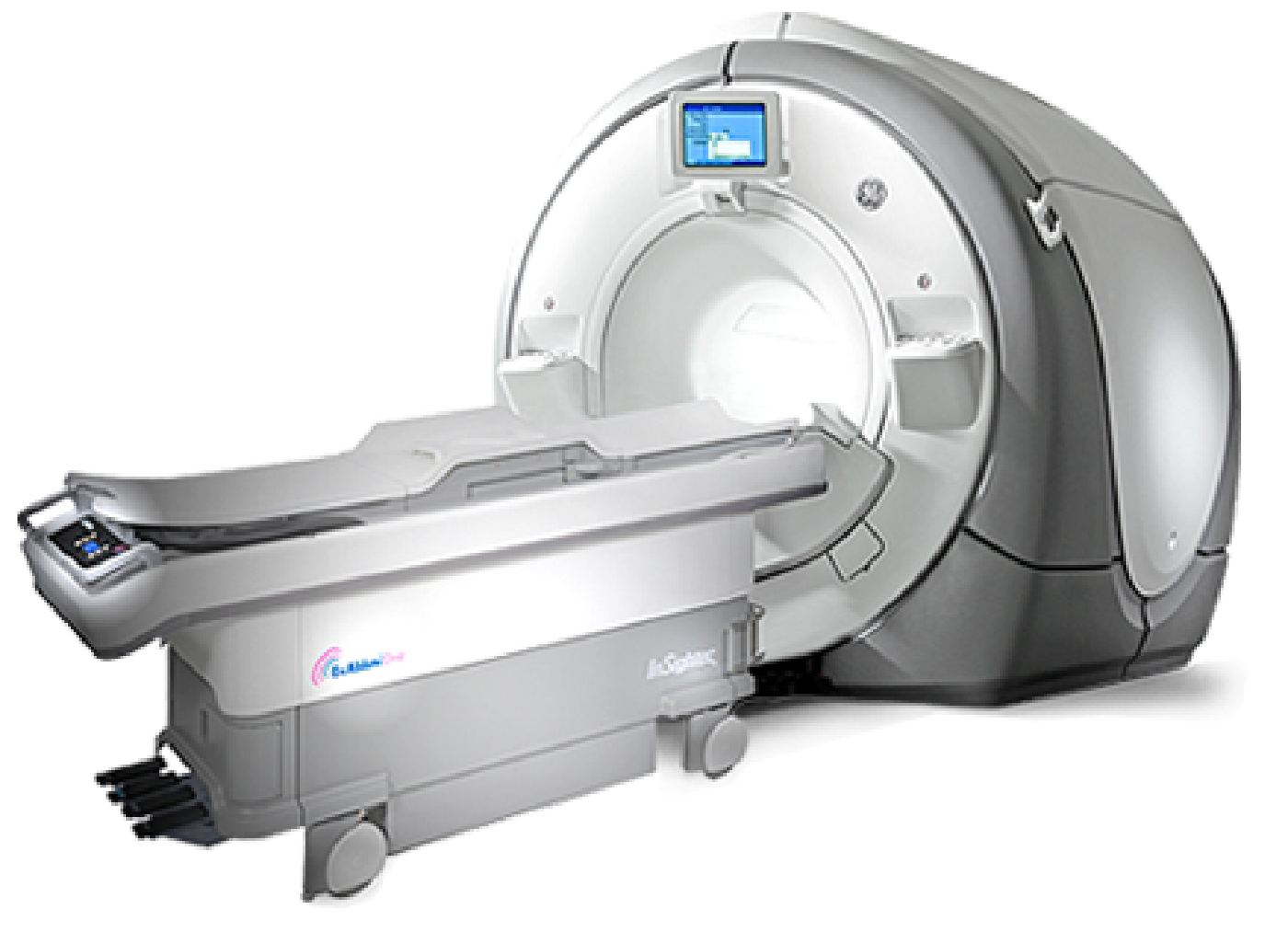
A. Magnetic Resonance-guided focused Ultrasound Surgery (MRgFUS) is an alternative to medical and surgical interventions in the management of symptomatic uterine fibroids. It is an effective non-invasive treatment with minimal associated risks. In contrast to other invasive treatments for uterine fibroids, the relatively non-invasive MRgFUS that requires no general anaesthesia. Overnight hospitalization is done for observation. The patient is discharged next day in the morning and allows most patients to return to work and their normal activities in one to two days.
Q. Will this treatment be covered under insurance?
A. Yes, Jaslok Hospital provides cashless insurance for mrgfus treatment. Insurance companies supporting:
1) Alankit Health Care Tpa Ltd
2) Anmol Medicare Ltd
3) Bajaj Allianz
4) Bupa International
5) Cholamandalam
6) Dedicated Health Care Services Tpa (India) Pvt Ltd
7) E-Meditek Solutions Tpa Services Ltd
8) Family Health Plan Limited
9) Future Genreali India Insuarnce Company Ltd.
10) Health India Tpa Services Pvt Ltd
11) Heritage Health Tpa Pvt Ltd
12) Icici Lombard Genral Insurance
13) Iffco-Tokio General Insurance Co. Ltd
14) Icici Prudential Life Insurance
15) Max Bupa Health Insurance
16) Md India Health Care Services Tpa Pvt Ltd
17) Medi Assist India Pvt Ltd
18) Medicare Tpa Services Pvt
19) Medsave Health Care Ltd.
20) Paramount Health Services Pvt Ltd
21) Park Mediclaim Tpa Pvt Ltd
22) Raksha Tpa
23) Safeway Tpa Services Pvt Ltd
24) Star Health & Allied Insurance Co. Ltd
25) Ttk Health Care Tpa Pvt Ltd
26) United Health Care (Parekh)
27) Vipul Med Corp Tpa Pvt Ltd
28) Hdfc Ergo General Insurance
29) Apollo Munich Health Insurance
30) Religare Insurance.
31) Reliance R-Care
Q. How will my physician tell if I have fibroids?
A. During your gynecological examination, your doctor will check the size of your uterus. If it feels enlarged, your doctor may order an abdominal or transvaginal ultrasound or a magnetic resonance (MR) imaging session, which can confirm the presence, location and size of fibroids. After identifying the size and location of your fibroids, and possibly after other diagnostic tests, your doctor may be able to rule out other conditions, advise you of your options and recommend a course of treatment for fibroids.
Q. Will I be experiencing pain tonight and/or tomorrow after the treatment?
A. Most patients have no problems following the treatment. However, you might experience some lower abdominal pain similar to period pain which will last no more than a few days. This pain can be settled with a simple over-the –counter paracetamol.
Q. Am I going to bleed in the immediate future as a result of the treatment?
A. No. The treatment itself should not cause you to bleed. As part of your fibroid/s has been treated, we anticipate that your period may deviate from normal. The first two cycles can be heavier than usual but should gradually lighten. If you received GNRH injections prior to the treatment, your first cycle should come back anytime between the 5th and 12th week from the last day of injection. It varies for every individual. Some patients may experience irregular periods following the treatment.
Q. Can I go back to work the following day?
A. Yes. Provided that you feel you are capable of doing your duties. Please be reminded that the sedatives that you had may stay in your blood stream until the following day. Therefore, you are not allowed to drive and/or operate machinery for 24hrs as you might have episodes of drowsiness. We also advise you to avoid alcohol for 24hrs.
Q. Can I do strenuous exercise after the treatment?
A. Yes. The treatment that you had is non-invasive which means there was no incision made in your abdomen. You will be able to go back to your normal daily routines as you desire following the treatment.
Q. Are there any restrictions on sexual intercourse following the treatment?
A. No. But if you are trying to conceive, we recommend using a contraceptive method for the first three (3) months following the treatment. We are still learning about pregnancy post-MRgFUS and so recommend following the used with other fibroid treatments.
Q. Will my fibroid grow back again?
A. Generally the treated fibroid will not grow back again. However, some patients have experienced regrowth of the fibroid over time. The treatment is still quite new and therefore we are still learning from the experiences of those treated patients. The potential re-growth will depend on the nature of your fibroid/s, hormonal changes if you are close to menopause and genetic pre-disposition if you have family history of fibroids.
Q. How do I know if I am eligible for treatment?
A. Your doctor is the best person to ask about this. He or she will be able to tell you if you are a suitable candidate for the ExAblate treatment. In general, people who cannot go into an MRI will not be able to have the ExAblate treatment - this includes patients with metallic implants, patients who are claustrophobic, and patients who are allergic to contrast agent, a dye used to see blood vessels during MR imaging.
Q.What Fibroid may Lead to?
A.Uterine fibroids are common, and they are found in 5-10% of infertile women. Certain types of fibroids are known to decrease fertility. There are several explanations for why uterine fibroids may reduce fertility.
Changes in the position of the cervix (the vaginal opening to the womb) due to fibroids located above it may affect the number of sperm that can travel through the cervix.
Changes in the shape of the uterus can interfere with sperm movement.
Blockage of the fallopian tubes by the fibroids.
Affecting the blood flow to the uterine cavity where the embryo would implant.
Changes in the uterine muscle that prevents movement of the sperm or the embryo.
During pregnanacy, in some instances, fibroids can possibly outgrow their blood supply and cause severe pain that might lead to hospitalization. Also, fibroids can change the baby’s presentation (position at birth), increase the risk of a cesarean section, miscarriage and preterm delivery. The management of uterine fibroids depends on your doctor’s recommendations. Rarely is surgery necessary or performed during pregnancy