https://mobirise.com/

Transcatheter Aortic Valve Implantation (TAVI)/ Replacement (TAVR) 

at Jaslok Hospital Mumbai by Dr. A B Mehta, Padmashree
 Director Cardiology

A Revolutionary Procedure for patients suffering from Aortic Stenosis.

An alternative to Open Heart Surgery in specific cases.
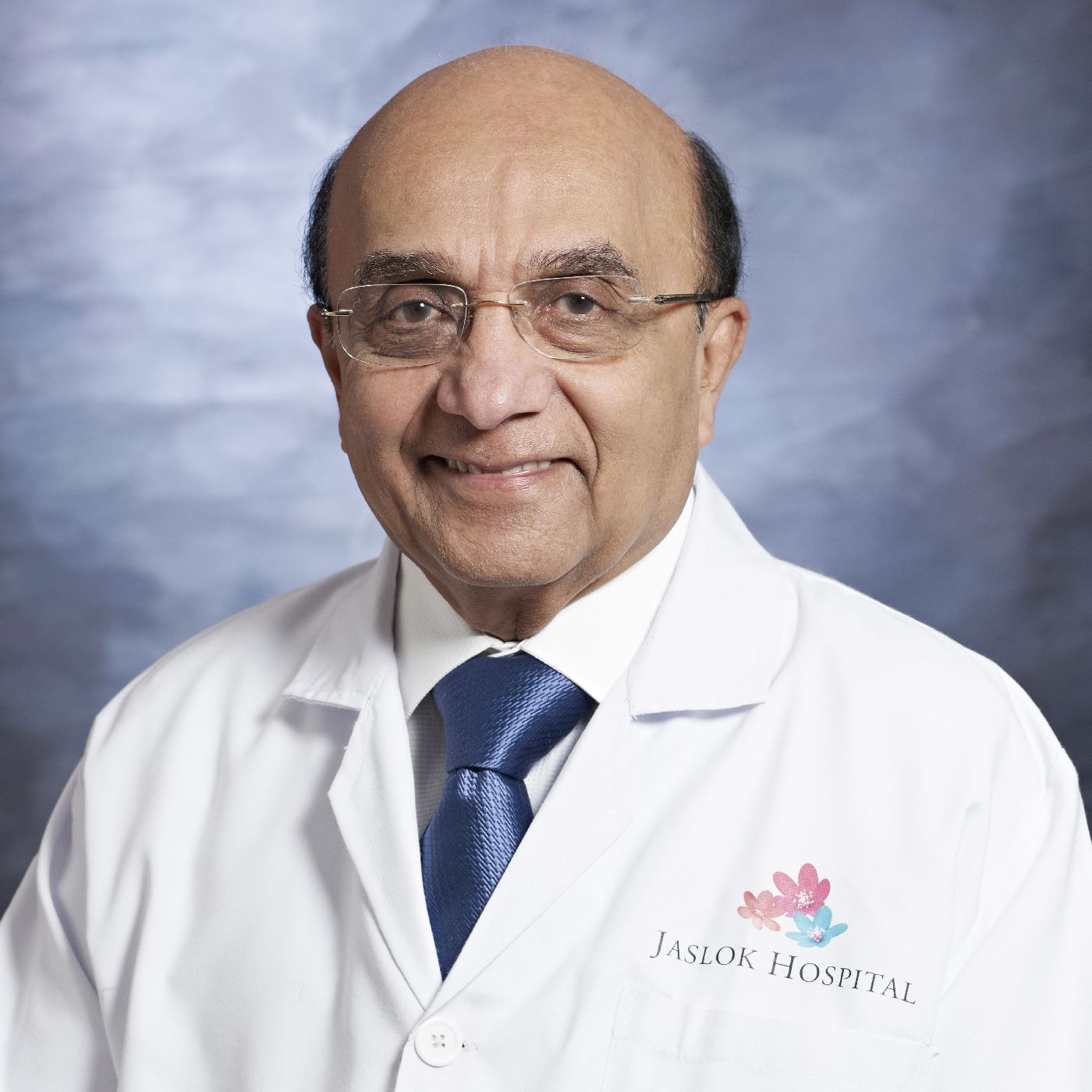
Dr A B Mehta

What is TAVI/TAVR?

TAVI is a procedure in which a diseased calcified Aortic Valve can be replaced by an artificial valve through a small hole in the blood vessels in the groin, without undergoing open heart surgery. This revolutionary procedure is done in patients suffering from Aortic Stenosis, a disease in which the Aortic Valve is narrowed due to calcification and degeneration. This is commonly seen in the older population and results in many problems like breathlessness, chest pain, episodes of unconsciousness, heart failure and irregular heart rhythms. If untreated, it can lead to death within 2-5 years of the start of symptoms.

About Dr. A B Mehta - M.D., F.A.C.C., F.I.S.E., F.I.C.P., Director Cardiology

Dr. Ashwin Mehta is a one of the best Cardiologist in Mumbai, with more than 38 years' experience behind him. Ashwin Mehta is Director of Cardiology at Jaslok Hospital & Research Centre, Mumbai. During his academic career and medical practice, Dr. Ashwin Mehta has received innumerable awards and honours. Dr Ashwin Mehta is a recipient of the prestigious Padmashree National Award, which he was awarded in 2004. Ashwin Mehta has also been very active on the academic front throughout his career. Dr Ashwin Mehta is recognised for his pioneering work in India in Cardiac Catheterisation and Angiography in newborn babies, and was also the first to introduce His Bundle Electrography in India and Primary Angioplasty in Acute Myocardial Infarction with first systemic trial. Ashwin Mehta has performed/supervised more than 10,000 Angioplasties and over 50,000 Angiographies. Ashwin Mehta is much-published, and has organised numerous teaching seminars, conferences, symposia and meetings, where he has also actively participated in the presentations and deliberations.

Contact Us

Call + 91 8080802665

For Confirmed Appointment


OR

Request a Call Back

Please fill in the details below and we will contact you shortly.

For which Patient Conditions can Transcatheter Aortic Valve Implantation (TAVI)/ Transcatheter Aortic Valve Replacement (TAVR)  be used ? 

The treatment of choice still remains aortic valve replacement by open heart surgery. However, there may be many factors which may make the surgery very high risk for certain patients such as:

  • Advanced age
  • Left ventricular dysfunction
  • Diabetes mellitus
  • Liver
  • Kidney diseases, etc.

Earlier such patients could only be offered optimum medical management. With the advent of TAVI, such patients can be offered valve replacement with artificial valves, without the risks associated with opening the chest and going on a heart lung machine (cardiopulmonary bypass). 

How is TAVI/TAVR done ?

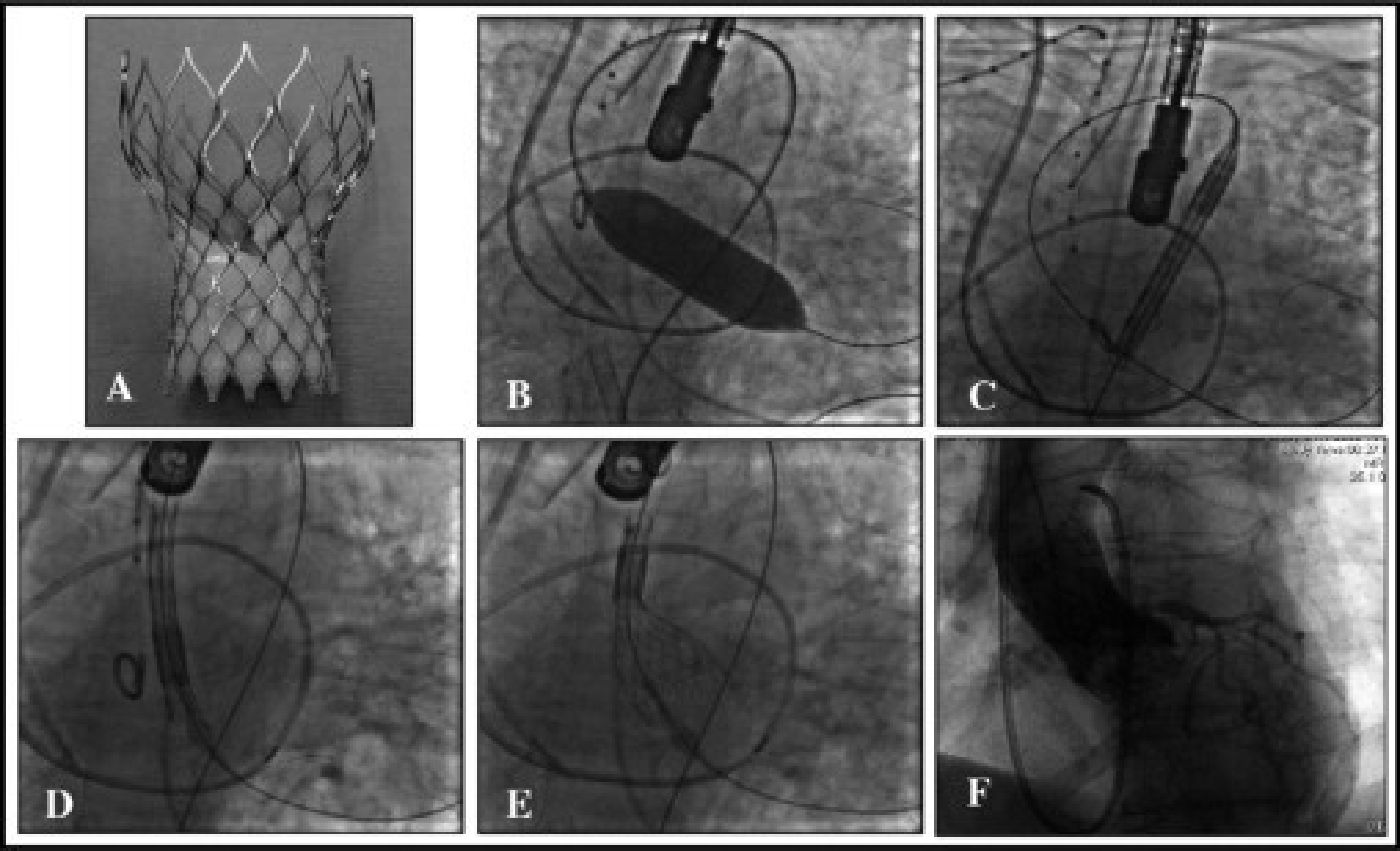
  • The artificial valve called Core Valve Re-valving System is made of bovine pericardium which is mounted on a Nitinol frame.
  • The procedure involves a team of doctors and staff which includes the interventional cardiologist, anaesthetist, cardiac surgeon, cardiac technicians and nurses. The patient is placed under general anaesthesia.
  • The procedure involves making a small hole in the groin through which the femoral artery (large blood vessel in the leg) is entered. Through this artery, a guide wire is passed into the aorta and then across the diseased valve and into the left ventricular cavity. Next, a balloon is passed over the wire and positioned across the valve. The balloon is inflated to ‘crack’ open the calcified valve. The balloon is then removed.  
  • The Core Valve Revalving System is crimped onto a delivery system. This delivery system is passed over the guide wire and the valve is carefully positioned across the aortic valve. The artifical valve is then deployed. The delivery system and guide wire are then removed. 
  • Post procedure the patient stays in the ICU for 48 hours and in the hospital for an additional 72 hours. 

Steps in Deploying the Core Valve Revalving System

A) Core Valve Revalving System;
B) Balloon Valvuloplasty;
C&D) Passing the Core Valve from the aorta across the aortic valve;
E) Deploying the artificial valve
F) Fully deployed artificial valve

Contact Us for Confirmed Appointment

For Confirmed Appointment

Call + 91 8080802665

or


Request a Call Back

Please fill in the details below and we will contact you shortly.

What are the Risks and Benefits ?

  • The Transcatheter Aortic Valve Implantation (TAVI)/ Transcatheter Aortic Valve Replacement (TAVR) procedure has been done in over 50,000 patients worldwide. It was FDA approved in November 2011.
  • This procedure can have complications like groin complications such as bleeding or infection, strokes, leakage of the valve (aortic regurgitation), coronary artery occlusion or heart blocks.
  • However the benefits of such a procedure include reduction of symptoms, improved quality of life and less chances of complications of open heart surgery like infections. 
  • The use of catheter based intervention to replace the aortic valve is an attractive procedure which has the potential to change the approach to aortic valve surgery. It does require proper patient selection, adequate training and a consolidated team effort. In the inoperable, high risk patients with Aortic Stenosis, TAVI is certainly a new option available on the table.

About Jaslok Hospital and Research Centre,Mumbai

The Jaslok Hospital & Research Centre is one of the oldest tertiary care, multi-specialty Trust hospitals of the country and is NABH Accredted.

In the late 60s, when the establishment of large private hospitals was not common, the institution was conceptualized & endowed to the city of Mumbai by Seth Lokoomal Chanrai. Jaslok Hospital is situated at Dr. G Deshmukh Marg, Peddar Road which is a main artery of South Mumbai and overlooking the Arabian Sea. The hospital was inaugurated on 6th July 1973 by the erstwhile Prime Minister Mrs. Indira Gandhi.


Jaslok Hospital is a private, full-fledged multi-speciality hospital with 364 beds of which 75 are ICU beds. The number of consultants has increased from the initial 50 to around 265 with 140 fully trained resident doctors.