https://mobirise.com/

What are the risks and benefits?


What is BMT?

Bone marrow transplantation (BMT) and stem cell transplantation are procedures that restore stem cells that have been destroyed by high doses of chemotherapy and/or radiation therapy with healthy cells. 

For which Patient Conditions is BMT done ? 

BMT is most commonly used in the treatment of:


Jaslok Hospital: Bone Marrow Transplant Team

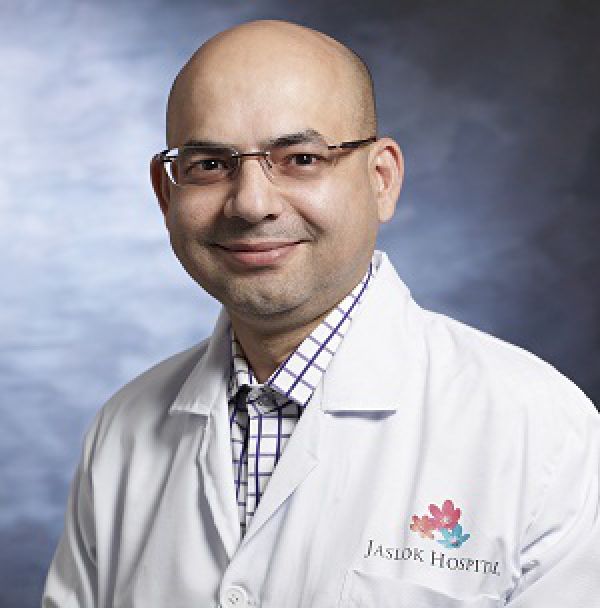
Dr Suresh Advani

Dr. Suresh Advani

Oncologist/Cancer Specialist

MBBS, MD
Experience over 30 years.

Dr Ganapathi Bhat

Dr. Ganapathi Bhat

Oncologist/Cancer Specialist

MBBS , DNB. MD
Experience over 18 years.

Dr Ritu Jain

Dr. Reetu Jain

Oncologist/Cancer Specialist

MBBS, MD
Experience over 15 years.

Dr Anjana Sainani

Dr. Anjana Sainani

Oncologist/Cancer Specialist

MBBS, MD
Experience over 15 years

Dr Maheboob Basade

Dr. Maheboob Basade

Oncologist/Cancer Specialist

MBBS, MD
Experience over 23 years

"Jaslok Hospital department of Oncology intiated the bone marrow transplant programme in 2000. Since then, the department has grown to become one of the largest bone marrow transplant centre in the country. We do a lot of transplants for a number of diseases which are both malignant and non-malignant, diseases. Our results in these diseases are as good as the treatment in the West and we are able to receive cure rates of 70-80% in thalassemia and 70% in aplastic anaemia, 60% leukemias etc.
We are able to do it at a cost in India which is much lower than what happens in the West. So for a fraction of the costs we are able to do transplants and achieve results which are very similar to what you would get in the West. 

Jaslok BMT unit has 4 bedded fully dedicated hepa-filter transplant unit with dedicated doctors, nursing staff and other supporting departments. We do about 3-4 transplants per month and so far around 350 transplants have been done. Our aim would be to try and see that each and every patient who walks through our department can get quality treatment.


We also speclaise in Pediatric Bone Marrow Transplants and provide outstanding care to children and adolescents who have various types of cancers and other blood disorders. 


Our Team of Expert Consultants are: Dr Suresh Advani, Dr M M Basade, Dr Ganapathi Bhat, Dr Reetu Jain and Dr Anjana Sainani."

Contact Us

Call + 91 8080802665

For Confirmed Appointment

or


Request a Call Back

Please fill in the details below and we will contact you shortly.

Types of BMT Transplant

There are many types of transplants:

  • Autologous Bone Marrow Transplants in which the stem cells used are of the patient himself. These stem cells would have been taken before chemotherapy or radiation therapy. Autologous transplants enable usage of high dose chemotherapy which provides certain people with a better chance of cure or control of their disease over a longer period.
  • Syngeneic Transplants in which patients receive stem cells from their identical twin.
  • Allogeneic Bone marrow Transplant in which the stem cells used are of another person, preferably a close relative. Several tests are carried out to check the compatibility of the stem cells. In Allogeneic transplant, the white blood cells are transplanted along with the donor's stem cells. This is done so that th ecells can attack and destroy remnants of the underlying disease.
  • Umbilical cord blood Transplant in which the stem cells have been taken from the umbilical cord immediately after birth. These immature cells can differentiate into whichever cells required.

How is BMT done? 

1.Preparation Stage: For Stem cell transplants there is preparation period including tests for evaluation of disease status and other body parameters of vital organ functions like kidney,heart,chest, infection detection. In addition during this time, a narrow tube placed in one of the large veins. Patients also will receive special medicines and possibly radiation to destroy their own abnormal stem cells and to weaken your immune system so that it won’t reject the donor cells after the transplant..


2.Stem Cells Extraction Stage: There are 3 ways in which stem cells are extracted:

  • From Bone marrow.
  • From Blood Stream.
  • From Umbilical Cord.


3. Stems Cells Infusion Stage: On the day of the transplant, the stem cells will be given to you through the narrow tube in your vein. The stem cells will travel through your blood to bone marrow, where they will begin making new healthy blood cells.


4.Post Procedure Stage: Regular check of blood counts every day to see if new blood cells have started to grow in bone marrow. Depending on the type of transplant, patient may need to remain in the hospital for weeks or months. The length of time will depend on how immune system is recovering and whether or not the transplanted cells stay in your body.


Contact Us for Confirmed Appointment 

Call + 91 8080802665

For Confirmed Appointment

or


Request a Call Back

Please fill in the details below and we will contact you shortly.

What are the risks and benefits?

  • Although blood or bone marrow transplant is an effective treatment for some conditions, the procedure can cause early or late complications. The required medicines and radiation can cause following discomfort:
  • Nausea
  • Vomiting
  • Diarrhea
  • Tiredness
  • Mouth Sores
  • Skin rashes
  • Hair loss
  • Liver Damage
  • Weaken your Immune System and Increase your risk for Infection
  • Some people may experience a serious complication called graft-versus-host disease if the donated stem cells attack the body. Other people may reject the donor stem cells after the transplant, which can be an extremely serious complication.

About Jaslok Hospital and Research Centre,Mumbai

The Jaslok Hospital & Research Centre in Mumbai, India is one of the oldest tertiary care, multi-specialty Trust hospitals of the country and is NABH Accredted. In the late 60s, when the establishment of large private hospitals was not common, the institution was conceptualized & endowed to the city of Mumbai by Seth Lokoomal Chanrai. Jaslok Hospital is situated at Dr. G Deshmukh Marg, Peddar Road which is a main artery of South Mumbai and overlooking the Arabian Sea. The hospital was inaugurated on 6th July 1973 by the erstwhile Prime Minister Mrs. Indira Gandhi.


Jaslok Hospital is a private, full-fledged multi-speciality hospital with 364 beds of which 75 are ICU beds. The number of consultants has increased from the initial 50 to around 265 with 140 fully trained resident doctors.


With an integrated team of specialised medical oncologists, nurse practitioners, physician assistants and social workers, Jaslok Hospital is one of the best Bone Marrow Transplant and Stem Cell Transplant Hospital in Mumbai, India. 

Underlying Diseases and Treatments

Blood Cancer

Blood Cancer, also known as Leukaemia, is when the bone marrow starts to produce abnormal white blood cells which replicate and grow at a faster rate than normal cells. These leukocytes replace all the functional, normal cells and prevent them from carrying out their function. There are several types of Leukaemia:

  • Acute Lymphocytic Leukaemia (ALL)
  • Acute Myelogenous Leukaemia (AML)
  • Chronic Lymphocytic Leukaemia (CLL)
  • Chronic Myelogenous Leukaemia (CML)


The Lymphocytic types affect the lymphocytes whereas Myelogenous Leukaemia affects the Granulocytes, RBCs or Platelets. 


Symptoms


The symptoms of Leukaemia vary with its type. In Chronic Leukaemia, symptoms are not very evident, whereas in Acute Leukaemia, they are observed early on -  

  • Fever or chills
  • Anaemia 
  • Easy Bruising and Bleeding
  • Night sweats
  • Painless swollen lumps in the neck, underarm or groin region
  • Loss of appetite and Weight loss
  • Persistent fatigue, weakness
  • Bone pain

Diagnosis 

Routine Blood Tests can identify Leukaemia before symptoms are seen. In case symptoms have already been observed, the doctor will determine its presence through swollen lymph nodes, spleen or liver. A complete blood count will also be necessary to identify, as a higher count of White Blood Cells and a lower count of other cells is observed in the case of Leukaemia. A tissue sample is taken from the hip bone to look for cancer cells in Bone Marrow Aspiration and Biopsy which helps confirm Leukaemia and identify its type.

Treatment

Leukaemia can be treated by eradicating all the cancer cells and stimulating the production of normal cells in the bone marrow. On the basis of the type of Leukaemia and various other conditions such as age, the suitable treatment is decided. The fundamental procedure for all treatments of Leukaemia is- 
1.Induction Therapy – Kills Leukaemia cells in the bone marrow by chemotherapy. 
2.Consolidation Therapy- Reduces the chance of relapse by stem cell transplant or chemotherapy. 
3.Maintenance Therapy- Uses lower doses and fewer cycles of therapy to ensure the complete eradication of Leukaemia. 

The several alternatives for the treatment of Leukaemia are:

  • Chemotherapy: It has other side effects such as swelling, hair fall, weight gain and diarrhoea.
  • Biological Therapy helps the immune system of the body to identify the Leukaemia cells and to slow their growth or kill them. 
  • Targeted Therapy attacks specific weaknesses of the cancer cells, such as it stops the production of proteins in cancer cells due to which they die.
  • Radiation Therapy uses X-Rays to kill the cancer cells in a targeted location or sometimes even the whole body. This therapy is essential before a stem cell transplant.
  • Bone Marrow Transplant / Stem Cell Transplant in which bone marrow or the stem cells are taken from a compatible donor, preferably closest relatives, and are used to replace the diseased bone marrow.

Lymphoma

Lymphoma is a cancer of the lymphatic system, which is essential in providing immunity to our body. It primarily affects the White Blood Cells of the body. The cancer cells replace the normal lymphocytes and keep replicating in the whole body. There are two main types of Lymphoma:

  • Hodgkin’s Lymphoma
  • Non-Hodgkin’s Lymphoma


Hodgkin Lymphoma usually occurs in the B Lymphocytes. It starts in the lymph nodes in the upper body- chest, neck, under arms and metastasizes in nearby parts of the body through the vessels from node to node. It can go on to affect the spleen, liver, lungs or even the bone marrow. The abnormal cells are known as the Reed-Sternberg cells, which are a modification of the B lymphocytes.


Non Hodgkin Lymphoma occurs more commonly than the former. In this type, the healthy lymphocytes do not die but instead keep on growing and dividing. This results in an increase in the lymphocytes which accumulate in the lymph nodes, causing them to swell. Non Hodgkin Lymphoma can arise from the B lymphocytes as well as T lymphocytes, however, is more common in the B cells. It can originate in any part and spreads to distant parts of the body.


Symptoms 

The signs and symptoms of both types of Lymphoma include- 

  • Fatigue, Weakness
  • Weight loss
  • Night sweats
  • Painless lump/swelling in the neck, arm pit or groin
  • Shortness of breath, Chest pain
  • Persistent cough
  • Fever
  • Itchy skin

Diagnosis 


If more than one symptom aforementioned is observed, it is essential to consult your doctor immediately. Lymphoma can be diagnosed by a Lymph Node Biopsy in order to check for the presence of cancer cells. Under the microscope, types of Lymphoma can also be differentiated. Hodgkin Lymphoma is identified by the presence of Reed-Sternberg cells. A blood test may also help to assess the cellularity and to determine the variation in the count of lymphocytes. A Chest X-Ray, MRI, PET scan and Molecular Test are also essential in confirming the presence of Lymphoma.


Treatment


The treatment depends on how far the cancer has spread and the stage of the cancer.

  • Chemotherapy
  • Radiation Therapy uses high energy X-Rays to kill the cancer cells.
  • Immunotherapy is the stimulation of body’s own immune system or the usage of man-made immune proteins to combat the cancer cells.
  • Bone Marrow Transplant / Stem cell Transplant is the usage of bone marrow or stem cells from a compatible donor, preferably closest relatives, in order to replace the diseased bone marrow affected by the cancer cells.

Thalassemia

Thalassemia is an inherited genetic disorder which results in the abnormal production of haemoglobin. It is caused by a genetic mutation in the body that is passed on from parents to their offspring. In case both parents are carriers of the mutated gene form, and the child has two abnormal genes, the child will have Thalassemia. It leads to the destruction of red blood cells, as a consequence of which one also has Anaemia. 

There are several forms of Thalassemia- Alpha and Beta depending upon the type of globin protein affected


Alpha Thalassemia is the inability to form the alpha protein of the Haemoglobin. The severity of the disorder increases with the number of mutated genes. 


  • 1 mutated gene- Silent carrier
  • 2 mutated genes- Alpha Thalassemia Minor- Very mild symptoms
  • 3 mutated genes- Haemoglobin H disease – Moderately severe
  • 4 mutated genes- Alpha Thalassemia Major- Still birth / Child dies after birth


Beta Thalassemia is the more serious form of the genetic disorder and it occurs when the body can’t produce the Beta globin.


  • 1 mutated gene- Beta Thalassemia Minor
  • 2 mutated genes- Beta Thalassemia Major or Cooley’s Anaemia


Symptoms

The signs and symptoms of Thalassemia are: 

  • Fatigue
  • Weakness
  • Pallor
  • Slow growth
  • Dark urine
  • Abdominal swelling
  • Facial deformities
  • Jaundice
  • Anaemia
Diagnosis

Thalassemia can be diagnosed by Blood samples in which the red blood cells are looked under the microscope to assess their shape and number. Haemoglobin electrophoresis is carried out in order to distinguish the abnormal cells from the RBCs and hence, the type of Thalassemia can be identified. Iron levels are constantly monitored and in case of an enlarged spleen, tests for Haemoglobin H disease are carried out. 

Treatment

Thalassemia can be treated according to its severity. Mild Thalassemia / Thalassemia Minors do not need much treatment and may only require blood transfusions after pregnancy. For severe thalassemia -

  • Iron Chelating Therapy- There is a build-up of iron in the body due to regular blood transfusions. In order to prevent iron from accumulating in various organs like liver and heart, the excess iron has to be removed. 

  • Lifelong Blood Transfusions- Due to the abnormal production of globin proteins and the destruction of red blood cells in the body, regular blood transfusions are required. This can be inconvenient and can also cause adverse effects in the body. 

  • Removal of Spleen– In case of hypersplenism, the requirement for blood transfusion increases and reduces the effectiveness of the iron chelation therapy, and hence has to be removed.

  • Bone Marrow Transplant – Also called as Stem cell Transplant, it is a permanent alternative instead of the lifelong blood transfusions required otherwise.

Multiple Myeloma

Multiple Myeloma is a type of cancer of the Bone Marrow in which myeloma cells multiply abnormally and start to replace the normal plasma cells. This adversely affects the body’s ability to produce antibodies, provide immunity and also weakens the bones. The tumour formed by these malignant plasma cells is called Plasmacytoma and the condition in which many such tumours are developed is known as Multiple Myeloma. 


Symptoms


The signs and symptoms of Multiple Myeloma start to appear at a later stage and include- 

  • Fatigue and Weakness
  • Pain in the bones (especially back and ribs)
  • Weight loss
  • Excessive thirst
  • Frequent urination
  • Recurrent infections, Fever
  • Nausea and Constipation
  • Frequent fractures
  • Lumps seen underneath the skin (Extramedullary Plasmocytoma)
Diagnosis

Multiple Myeloma can be diagnosed by regular Blood Tests which will show M proteins and some abnormal globulins that are produced by the Myeloma cells. It may also show an increased level of Calcium in the blood and very few Red Blood Cells (Anaemia). Bone Marrow Aspiration and Biopsy are essential to confirm Multiple Myeloma. Cells of the bone marrow are observed under the microscope to assess abnormalities and the type of Myeloma cells. MRI scan, CT scan and other imaging tests are helpful to see detailed pictures of the bones. Urine tests are also required in order to confirm the type of proteins produced and to assess its effect on the kidney.

Treatment
Multiple Myeloma can be treated in the following ways- 
  • Chemotherapy
  • Radiation Therapy involves killing of cancer cells in a specific location using high energy X-Rays and obstructs the formation of abnormal proteins. 
  • Plasmapheresis is the replacement of abnormal plasma cells present in the blood with normal plasma from donors, with the help of a machine.
  • Stem Cell Transplant / Bone Marrow Transplant is the most effective way to treat Multiple Myeloma. Stem cells of the patient or a donor multiply to form healthy blood cells.

Aplastic Anemia

Bone Marrow consists of the Hematopoietic Progenitor cells which are stem cells that differentiate to form the three types of Blood cells in our body- Red Blood Cells, White Blood Cells and Platelets. The condition of the destruction of these stem cells of the Bone Marrow is known as Aplastic Anaemia. As a result, the bone marrow cannot carry out sufficient amount of Haematopoiesis and fails to produce sufficient amount of blood cells to meet the need of our body. This adversely affects transport of oxygen in the body, blood clotting and the ability to fight infections in our body.


Aplastic Anemia can be inherited or acquired. The former is due to genetic defects, whereas the latter occurs due to several reasons. Acquired Aplastic Anemia occurs can occur due to some medications, HIV or Epstein-Barr virus, Auto- immune disorders or even from Chemotherapy during treatment of cancer. 


Symptoms


Aplastic anemia results in the reduced count of all the three types of Blood cells in the body. Due to the decrease in Red Blood Cells, Fatigue and Weakness like symptoms are observed in the body. The lower count of White Blood Cells cause the Fever and recurrent infections and the decrease in Platelet count results in prolonged bleeding in the body.   


  • Fatigue, Weakness and Dizziness
  • Easy Bruising and prolonged Bleeding from cuts
  • Gingival and Nose Bleeding 
  • Shortness of breath, exertion and chest pain
  • Pallor
  • Irregular heart rate
  • Recurring infections and Fever
  • Skin Rash- the appearance of small red dots on the skin that indicates bleeding under the skin
  • Headache

Diagnosis


A complete blood count is necessary if these symptoms are observed. The cells of the bone marrow, taken from the hipbone usually, have to be examined under the microscope by an experienced Physician at a Bone Marrow Failure Speciality Center. Blood and Laboratory Tests have to be carried out along with Bone Marrow aspiration and a Biopsy to assess cellularity qualitatively and quantitatively. Other related tests may also be taken to test kidney function and liver function. 


Treatment


There are various types of Aplastic Anemia. Depending on severity, a suitable treatment is prescribed to the patient. 

  • Blood Transfusions are done to get a relief from the bleeding and to raise the blood cell counts. However, this is not a long term alternative due to the possibility of accumulation of excess iron in the liver and a complete recovery is highly unlikely.
  •  Bone Marrow Transplants were first found effective due to its success in treating Aplastic Anaemia. During this procedure, the ineffective bone marrow is destroyed and is replaced by the bone marrow from a compatible donor.
Sickle Cell Anemia

Sickle Cell Anemia is an autosomal recessive inherited disease in which the shape of Red Blood Cells is abnormal. The crescent/sickle shaped RBCs are stiff and sticky unlike the normal biconcave discs. They hence tend to obstruct the flow of blood and form lumps in the vessels. These abnormal RBCs have a very low life span of only 10 – 20 days and lead to ineffective transport of oxygen in the blood. 

Sickle Cell Anemia is caused by a defect in the haemoglobin beta gene in chromosome 11. If only one mutated gene is passed on to the offspring, he is only a carrier of the disease and can live a normal life. However, if both parents carry the gene for Sickle Cell Anemia, there is a 25% probability of the child to be affected by the disease.


Symptoms


The signs/symptoms of the disease include- 

  • Fatigue and Weakness
  • Dizziness
  • Constant headaches
  • Pale skin
  • Chest pain
  • Pain crises (Sudden episodes of pain throughout the body)
  • Eyesight problems
  • Recurrent infections 
  • Neonatal jaundice

Diagnosis


Sickle Cell Anemia can be diagnosed through Blood tests to check for the defective Haemoglobin S gene form and count of Red Blood Cells. Haemoglobin Electrophoresis is essential to confirm the diagnosis of the disease.


Treatment


Sickle Cell Anemia can only be treated by a Bone Marrow Transplant. The stem cells of a suitable and compatible donor, preferably closest relative, are injected in the patient. These cells differentiate and replicate to form normal Red Blood Cells and they resume normal functioning of the body. This treatment is most effective and likely to be successful in children who are less than 16 years old.