 X
X
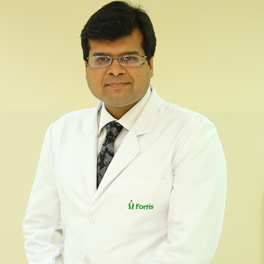
DR SACHIN MITTAL
Diabetologist/Endocrinologist
- Fees: INR 1,000
-
Friday 9:00 AM - 2:00 PM
(See all timing)Monday 9:00 AM - 2:00 PM,
Tuesday 9:00 AM - 2:00 PM,
Wednesday 9:00 AM - 2:00 PM,
Thursday 9:00 AM - 2:00 PM,
Friday 9:00 AM - 2:00 PM
Introduction
Dr. Sachin Mittal is one of the best Endocrinologist in Mohali, Punjab with an experience of 10 years in this field. Dr. Sachin Mittal is currently attached to Fortis Hospital at Mohali, Punjab. Dr. Sachin Mittal has expertise in Endocrinology, Thyroid Disorders, Adult Diabetes, Obesity, Growth Disorders, Hypertension, Pediatric Diabetes etc. Dr Sachin Mittal held the position of Fellow at APPES (Asia Pacific Paediatric Endocrine Society) School, Bali, Indonesia, after which he joined Department of Endocrinology, T.N. Medical College & B.Y.L. Nair Hospital, Mumbai as Super Speciality Officer. He was a Fellow at ISPAD (International Society of Paediatric and Adolescent Diabetes) in July 2013. He was also a Fellow at ESPE (European Society of Paediatric Endocrinology) Winter School in Tbilsi, Georgia. Dr Mittal is one of the top endocrinologists in Mohali with an experience of 10 years in this field.
Hospital Associations
Fortis Hospital, Mohali.
Services/Interest
- Thyroid Disorders
- Adult Diabetes
- Obesity
- Growth Disorders
- Hypertension
- Pediatric Diabetes
- Diabetes During Pregnancy.
Professional Memberships
Asia Pacific Pediatric Endocrine Society, Indian Society of Paediatric and Adolescent Endocrinology, The Endocrine Society – United States, Indian Society of Bone Mineral Research, Indian Thyroid Society
Awards and Recognitions
Recipient of prestigious ‘Bill Marshall Fellowship’ 2014, in Endocrinology, at Great Ormond Street Hospital & University College of London United Kingdom, Recipient of ‘Best Resident in the Institution’ award 2012, at T.N. Medical College & B.Y.L. Nair Hospital at Mumbai, Member, editorial board of CAPENEWS, quarterly newsletter of Indian Society of Pediatric and Adolescent Endocrinology, Best Fellow at ESPE (European Society of Paediatric Endocrinology) Winter School at Tbilsi, Georgia in year 2014, Recipient of ‘Best Thesis’ presentation at 11th Endocrine Society of India, A.V. Gandhi award for excellence in Endocrinology in year 2012, Recipient of ‘Best Reviewer’ at Torrent Young Scholar Award for Endocrinology in 2011, First Prize & Gold Medal ‘Charaka Award’ at 40th Annual National Conference of Endocrine Society of India (ESICON) held at Christian Medical College, Vellore, India in 2006, First Prize at 13th IAP (Indian Academy of Pediatrics) Quiz (College Round) in year 2000
Education
Dr Mittal completed his MBBS from Govt. Medical College, Patiala, India in the year 2001 and MD (Pediatrics) from Dayanand Medical College & Hospital, B.F.U.H.S University, in 2006. Dr Mittal passed his D.M. (Endocrinology) from Topiwala National Medical College & B.Y.L. Nair Hospital, M.U.H.S., Mumbai, India in 2012.
I Speak
English, Hindi.
Feedback For Dr Sachin Mittal
Write FeedbackFortis Hospital Mohali Timing
Monday - Friday
9:00 AM - 2:00 PM
Who are diabetologists?
Diabetologists are the specialists in managing the sugar level in the patient's blood. They can guide the patients to control the spike of blood glucose level. They are often a board-certified endocrinologist specialized in metabolic disorders. These physicians work with patients to bring blood sugar under control through medication, diet, and, exercise.
What do diabetologists do?
The most important part of diabetologist's work is to show patients how to manage diabetes in the best possible way. The diabetologist mainly uses blood tests in order to detect and monitor changes in the blood glucose levels of the patient's body. In the case of gestational diabetes and type 1 diabetes, they use insulin therapy and suggest a change of lifestyle including moderate physical activity and regular well-balanced diet.
What disease does a diabetologist?
Diabetologists treat all forms of diabetes, including diabetes mellitus, insulin-dependent diabetes, diabetes insipidus, and gestational diabetes.
When to see a diabetologist?
- Your regular doctor can treat diabetes, but they might want to see an when:
- You feel tingling in your hands and feet from nerve damage.
- You have frequent episodes of low or high blood sugar levels and weight changes and vision problems and kidney problems.
- Frequent hospital admissions because of diabetes.
- You need to learn how to manage diabetes.
- Your diabetes has gotten troublesome to manage, or your treatment isn't working.
- You have complications from diabetes.
What's the difference between Diabetologists and endocrinologists?
Diabetologists treat only diabetic patients while endocrinologists give treatment for the patients having endocrinology problems which also include complications from diabetes. To become Endocrinologists you need to have a D.M degree in Endocrinology, but a Diabetologist needs an M.D degree in General Medicine. Endocrinologists go to college for 4 years, then medical school for 4 more years. Afterward, endocrinologists work in hospitals and clinics as residents for 3 years to get experience treating people. endocrinologists will spend another 2 or 3 years training specifically in endocrinology.
What are the tests performed by a diabetologist?
- Fasting blood sugar is a test that provides vital clues about how the body is managing blood sugar levels.
- Glycated hemoglobin (A1C) test. This test check for Glycated hemoglobin which is a form of hemoglobin that is covalently bound to glucose.
- Oral glucose tolerance test is a test in which glucose is given and blood samples are taken afterward to discover how quickly it is cleared from the blood.
- Random blood sugar is a test that checks your blood glucose at a random time of day.
- The two-hour postprandial test measures blood glucose exactly 2 hours after eating a meal.
What to expect from your first diabetologist's visit?
A visit to the diabetologist usually involves:
- A complete medical history
- A head-to-toe exam
- Blood and urine tests
- An explanation of your management plan
The appointment usually starts with a measurement of the patient's height, weight, and vital signs, including blood pressure and pulse. They also check the blood sugar using a finger stick.
The doctor also checks the teeth and skin for developing sores and skin infections. The patients should be prepared for questions about their current symptoms, family history, and eating habits and it’s important to bring a record of the blood sugar readings. The doctor will also want to know what the patient is currently doing for his diabetes, including any medications he is taking, how often he checks his blood sugar, and if he uses insulin or not.