 X
X
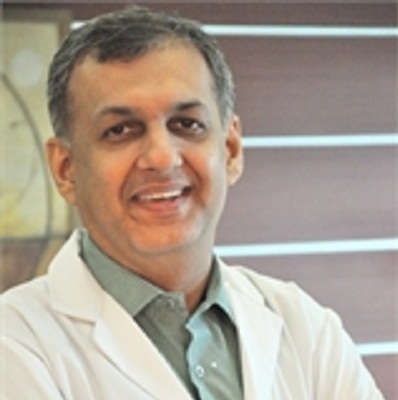
DR VIPUL NANDA
Plastic and Cosmetic Surgeon
Introduction
Dr Vipul Nanda is one of the best Plastic and Cosmetic Surgeon in Delhi. Dr Nanda did his MS from AIIMS and MRCS from UK. Following M.Ch from PGI in 1997 he underwent advanced fellowships under world leaders in cosmetic and plastic surgery in Spain, Japan, U.K. & USA. Dr Nanda has been a senior faculty at PGIMER, Chandigarh and was appointed by Ministry of Health, Oman as head of a Plastic Surgery unit in a referral hospital in Oman. Dr Nanda has presented and published his technique of cleft palate repair and rhinoplasty for cleft patients at various national and international fora which have been acclaimed by his peers. Dr Nanda has been part of various social initiatives and volunteered his services in ‘cleft camps’ organized by the Rotary Club and Operation Smile.
Hospital Associations
Artemis Hospital
Services/Interest
- SURGICAL • Facelift • Neck lift • Browlift ( Forehead Lift) • Blepharoplasty (Both upper and lower lid bags removal) • Neck Lift • Otoplasty (Ear Surgery) • Rhinoplasty (Nasal Correction) • Lip Augmentation / Reduction • Dimple Creation • Facial Implant Surgery • Breast Augmentation (Implant) • Breast Reduction • Breast lift for ptosis correction – For sagging breasts • Gynaecomastia (Male Breast) Correction • Liposuction – Standard • Liposuction – Vaser • Abdominoplasty ( Tummy Tuck) • Arm Lift (Brachioplasty) • Thigh Lift • Hymenoplasty / Revirgination • Vaginal Tightening / Rejuvenation • Mommy Makeover • Gender Reassignment • Hair Transplantation (FUE / FUT) • Fat Grafting • Scar Revision • Ear Lobe Repair • Piercing • Mole Removal • Vitiligo Treatment Plastic Surgery • Brun Care • Skin grafting • Nose
- Ear and Breast reconstruction • Hand surgery • Accidental case • Facial Surgery • Microsurgery • Cleft lip with Palate NON - SURGICAL • Botox • Filler • Mesotherapy • Chemical Peel • Laser • Dermabrasion
Experience
Dr Vipul Nanda is one of the best Plastic and Cosmetic Surgeon in Delhi with an experience of 27 years in this field.
Professional Memberships
• Association of Plastic Surgeons of India • National Academy of Medical sciences, India • Royal College of Surgeons, UK • Medical Council of India • Indian Society of Cleft lip, Palate & Craniofacial anomalies • Indian Association of Aesthetic Plastic Surgeons • Oculoplasty Assoc of India • International Society of Aesthetic Plastic Surgeons • Indian Society Facial Plastic and Reconstructive Surgery • North Zone Assoc Plastic Surgeons India • AIIMSONIANS Alumni Assoc of All India Institute of Medical Sciences, India • Indian Medical Association
Education
Dr Nanda did his MS from AIIMS and MRCS from UK. Following M.Ch from PGI in 1997 he underwent advanced fellowships under world leaders in cosmetic and plastic surgery in Spain, Japan, U.K. & USA.
Feedback For Dr Vipul Nanda
Write FeedbackWho is a plastic surgeon?
Plastic surgery is a surgery performed to restore, reconstruct, or alter the human body. Plastic Surgery in its core is a reconstructive surgery dealing with the restoration of normal function and form and is a diverse specialty involving adults and children. It encompasses a wide range of conditions in different parts of the body. Plastic surgeons are the physicians who shape and mold regions of the body like the face, abdomen, hands and other limbs.
What does a plastic surgeon do?
Plastic surgeons perform surgeries that alter the shape or appearance of part of a body. They perform reconstructive surgeries which include craniofacial surgery, microsurgery, and the treatment of burns and are trained in patient interactions, trauma care, and basic surgery techniques. They are also specialized areas such as tissue transfer, body contouring, and laser surgery. They also repair congenital problems, such as cleft lips or a malformed bone structure in hands or feet.
What surgeries are performed by a plastic surgeon?
Plastic surgeon performs two types of surgeries: Cosmetic surgeries and aesthetic surgeries. Cosmetic surgery alters normal body parts for aesthetic reasons, while reconstructive surgery repairs or replaces body parts disfigured by accidents, illness or malformation. The most common surgeries are:
- body contouring
- Breast Reconstruction
- Burn Repair Surgery
- Congenital Defect Repair: Cleft Palate
- Facial Balancing and Enhancing
- Facial Implants
- hand and leg surgery
- Hand Surgery
- laser surgery
- Lower Extremity Reconstruction
- Lower Rhytidectomy
- microsurgery
- Neck Lift
- Nose Surgery
- Rhinoplasty
- Rhytidectomy
- Scar Revision
- Surgery craniofacial surgery
Are plastic surgeons and cosmetic surgeons one and the same?
While both plastic surgery and cosmetic surgery focus on improving the patient’s body, they are quite different. The procedures and principles of cosmetic surgery are completely focused on enhancing the appearance and improving aesthetic appeal, symmetry, and proportion. Plastic surgery is a surgical specialty devoted to the reconstruction of facial and body defects that are caused due to birth disorders, burns, disease, and trauma. Plastic surgeons intend to fix dysfunctional areas of the body and while many of them choose to do additional training in cosmetic surgery, the foundation of their surgical practice remains reconstructive plastic surgery.
Who should visit a plastic surgeon?
Before deciding to visit a plastic surgeon, you should make sure that you are a healthy candidate. This means that you’ll need to be in good overall health before getting a breast augmentation, tummy tuck, or other plastic surgery procedure. A person with congenital defects or facial or body defects due to burns, diseases, and traumas should visit the plastic surgeon.
What happens in your first plastic surgeon appointment?
The plastic surgeon reviews the patient's medical history and asks what they would like changed. You should always to be direct with your plastic surgeon. Ethical plastic surgeons usually do not suggest procedures and try to know exactly what bothers their patients so that they can direct the consultation and specifically address the patient's concerns. They take pictures and review them and use them as a benchmark to see if the surgery was a success or a failure. They discuss the pros and cons of a cosmetic procedure and let their patients decide if they want to go with the surgery or not.