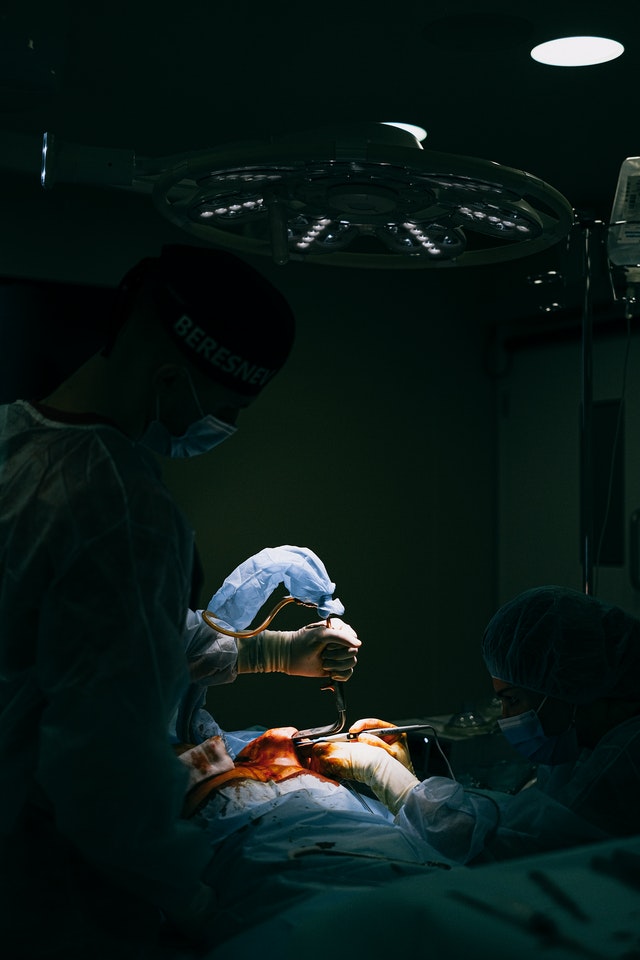
What is Jaw Tumors and Cysts Treatment?

BDS (Bachelor of Dental Surgery), 10 years of experience
What is the meaning of Jaw Tumors and Cysts?
Rare lesions or growths that develop in the jawbone or the soft tissues in the face or mouth are known jaw tumors and cysts. A tumor is an abnormal mass or growth of tissue, whereas a cyst is a lesion containing liquid or semi-solid material. Jaw tumors and cysts can vary in severity and size. Jaw tumors and cysts are normally non-cancerous or benign, but they can be aggressive and invade the surrounding tissue and bone and may lead to the displacement of teeth. There are several treatment options for jaw tumors and cysts depending on the type of lesion present, the stage of the growth, and the symptoms of the patient.
In this article, we will be discussing in detail jaw tumors and cysts, and their treatments.
- What are the different types of Jaw Tumors and Cysts?
- What are the causes of Jaw Tumors and Cysts?
- What are the symptoms of Jaw Tumors and Cysts?
- How to diagnose Jaw Tumors and Cysts?
- What are the various Jaw Tumors and Cysts Treatments?
- What are the complications of Jaw Tumors and Cysts?
- What is the cost of Jaw Tumors and Cysts Treatment in India?
What are the different types of Jaw Tumors and Cysts?
The different types of jaw tumors and cysts include:
Ameloblastoma:
- These are benign, slow-growing tumors that mostly develop in the jaw near the molars (the last teeth) and may invade the surrounding bone and soft tissue.
- The tumor can recur after treatment. However, aggressive surgical treatments usually reduce the chances of recurrence.
Central giant cell granuloma:
- These are benign lesions mostly seen in the front part of the lower jaw.
- Some of these tumors can grow quickly, cause pain, and may destroy the bone.
- Some of these tumors may have a tendency of recurrence after surgical treatment.
- Other types may be less aggressive and have no symptoms.
- Most of these tumors require surgical treatment.
Dentigerous cyst:
- This is a type of cyst that develops from the tissue surrounding the tooth before its eruption into the mouth.
- This is the most common type of cyst of the jaws.
- These cysts are mostly seen around the wisdom teeth which have not erupted completely. However, they can also be associated with other teeth.
Keratocystic odontogenic tumor or odontogenic keratocyst:
- This type of cyst has a tendency to recur after surgical treatment, just like a tumor.
- It is a benign, slow-growing cyst that can damage the surrounding structures.
- It is usually seen in the lower jaw near the wisdom teeth.
- This cyst can also be seen in the case of an inherited disorder known as nevoid basal cell carcinoma syndrome.
Odontogenic myxoma:
- This is a slow-growing, rare type of benign tumor.
- It is most often seen in the lower jaw.
- This tumor can be large in size and can invade the jaw and surrounding tissue causing the displacement of teeth.
- These types of tumors may recur after surgical treatment, however, the chances of recurrence are reduced after aggressive surgical treatment.
Odontoma:
- This is the most common type of odontogenic tumor.
- It is benign in nature and usually has no symptoms, but it may interfere with tooth eruption and development.
- Odontomas are made up of tissues that grow around a tooth.
- They may resemble the shape of a tooth, or appear like a small or large calcified tumor.
Other types:
- Other types of jaw tumors and cysts may include adenomatoid odontogenic tumors, calcifying epithelial odontogenic tumors, glandular odontogenic cysts ameloblastic fibromas, squamous odontogenic tumors, ossifying fibromas, calcifying odontogenic cysts, cementoblastoma, aneurysmal bone cysts, osteoblastoma, and central odontogenic fibromas.
What are the causes of Jaw Tumors and Cysts?
- Odontogenic tumors and cysts typically originate from the cells and tissues that are involved in the normal development of a tooth.
- Nonodontogenic tumors develop from the other tissues within the jaws that are not related to the teeth.
- The exact cause of jaw tumors and cysts development is unknown. However, some of them are known to be associated with genetic conditions.
- For example, individuals having Gorlin-Goltz syndrome or nevoid basal cell carcinoma syndrome lack a gene that suppresses the tumors. This is an inherited condition that occurs due to certain genetic changes (mutations). It results in the formation of several odontogenic keratocysts within the jaws, many basal cell skin cancers, and other symptoms. ( Know more about- What is Brain Cancer Treatment? )
What are the symptoms of Jaw Tumors and Cysts?
The symptoms of jaw tumors and cysts may include:
- Swelling in the jaws
- Numbness and tingling of the nerves causing lips, teeth, or gums numbness
- Pain
- Loose teeth
- Displaced teeth
- Abscess (pocket of pus) formation
- Jaw fracture ( Know more about- What is Nasal and Sinus Cancer Treatment?)
- May be asymptomatic
How to diagnose Jaw Tumors and Cysts?
- Clinical examination: The doctor will clinically examine the patient intra-orally and extra-orally. The symptoms of the patient are noted, along with any known genetic disorders that the patient may be having.
- Imaging studies: Imaging tests like X-rays, CT scans, and MRI scans may be recommended to view the teeth and jaw bone. These tests can diagnose the presence of a cyst or tumor, and detect its exact location.
- Biopsy: The doctor may excise (remove) a small portion of the suspected tissue growth and send it to the laboratory to check for the presence of any cancer cells.
What are the various Jaw Tumors and Cysts Treatments?
The various treatments for jaw tumors and cysts vary, depending on the type of lesion, the symptoms of the patient, the severity of the condition, and the overall health of the patient.
The different types of treatments may include:
Medical therapy:
- The doctor may recommend certain antibiotic medications in cases of minor jaw cysts.
- Medical therapy can be used in combination with surgical therapy to provide relief from pain and swelling.
Surgical therapy:
The various surgical options for the removal of a jaw tumor and cyst include:
- Enucleation: This is a surgical procedure done for the removal of the entire cyst or tumor, sometimes with some of the surrounding bone. An incision (cut) is made by the surgeon in the gum area, a flap is raised over the overlying cyst or tumor, and the entire cyst or tumor is then removed. The surgeon then closes the flap using sutures (stitches). The removed lesion is then sent to the laboratory for evaluation.
- Marsupialization: It is a procedure of creating a window into the wall of the lesion by raising a flap. This allows the contents to be drained, causing the shrinking of the lesion. The window is prevented from closing by using a plug.
- Enucleation after marsupialization: Marsupialization may be followed by enucleation for the removal of the lesion. This is carried out in cases of large cysts or tumors.
- Enucleation with curettage: The removal of the lesion along with some of the surrounding bone, which may be containing some remnants of the cyst or tumor is followed by curettage. Curettage is the scraping out of any infected tissue that may be remaining. The defect is then irrigated to flush out any remaining debris.
- Resection (partial mandibulectomy): This form of treatment is done in aggressive cases of jaw tumors and cysts. It includes the removal of the lesion along with some portion of the jaw. Some of the affected teeth may also require removal. The jaw may require initial stabilization by titanium screws and plates.
- Jawbone reconstruction: This surgery may be required following a resection to correct the alignment of the jaw and teeth.
Supportive care:
- Supportive care includes the assistance of the patient in the retrieval of proper speech, nutrition, swallowing, realignment of displaced teeth, and replacement of the missing teeth.
- Lifelong follow-ups are recommended to check for any recurrence of the cysts or tumors. ( Know more about– What is Lymphoma? )
What are the complications of Jaw Tumors and Cysts?
The complications of jaw tumors and cysts may include:
- Jaw fracture
- Risk of recurrence after surgical removal
- Loose or displaced teeth
- Numbness of the lips, tongue, gums, or cheek area
- Infections
- Loss of tooth of teeth
What is the cost of Jaw Tumors and Cysts Treatment in India?
The total cost of jaw tumors and cysts treatment in India can range from around INR 50,000 to INR 2,50,000, depending on the type of treatment done. However, many prominent hospital doctors in India specialize in jaw tumors and cysts treatment. But the cost varies across different hospitals.
If you are coming from abroad, apart from the cost of jaw tumors and cysts treatment, there will be an additional cost of living in a hotel and the cost of local travel. So, the total cost of jaw tumors and cysts treatment in India comes to a total of INR 65,000 to INR 3,25,000.

We hope that we could answer all your questions regarding jaw tumors and cysts and their treatments through this article.
If you need more information about jaw tumors and cysts, you can contact a General Surgeon.
We only aim to provide you with information through this article. We do not recommend any medication or treatment to anyone. Only a qualified doctor can give you the best advice and correct plan.