 X
X
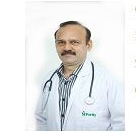
DR SRINIVAS V
Geriatrician
- Fees: INR 500
-
Saturday 5:00 PM - 7:00 PM
(See all timing)Monday 5:00 PM - 7:00 PM,
Wednesday 5:00 PM - 7:00 PM,
Saturday 5:00 PM - 7:00 PM
Introduction
Consultant Geriatrician trained and qualified in the UK. Clinical practice in India since 1994.
Hospital Associations
Fortis Malar Hospital
Services/Interest
- Geriatric
- Terminal care
- Geronto Pharmacology
Professional Memberships
Indian Medical Association (IMA).Indian Geriatric Society.President, Indian Academy of Geriatrics, Tamil Nadu Chapter.American Geriatrics Society
Education
MBBS from Kilpauk Medical College- 1984, MD (General Medicine) from Kilpauk Medical College-1988, MRCP from Royal College (Edin), UK-1992
I Speak
English,Tamil
Feedback For Dr Srinivas V
Write FeedbackFortis Malar Hospital Timing
Monday
5:00 PM - 7:00 PM
Wednesday
5:00 PM - 7:00 PM
Saturday
5:00 PM - 7:00 PM
Who is Geriatrician?
Geriatrics is a specialty that focuses on health care of old people A geriatric physician, also called a geriatrician, is a physician who specializes in the diagnosis, prevention and treatment of disorder and disability in older adults. Geriatricians are primary care doctors specially trained in the aging process.
What does a geriatrician do?
As our body change over time, so do our health care needs. Simply put, a geriatrician is a physician with advanced training in geriatric medicine and specialized expertise in caring for senior citizens. They are trained to diagnose and treat diseases in the elderly and identifying and treating problems specific to older adults, such as dementia, falls, confusion, and incontinence. They can also determine which prescriptions are best since some over-the-counter and medicines can have different effects on the elderly.
At what age should I see a geriatrician?
A geriatrician is a specialist doctor who cares for people over the age of 65, but most people do not need geriatrics expertise in their care until age 70 or 75.
What is the difference between a gerontologist and a geriatrician?
Geriatricians are fully trained doctors who specialize in treating the health problems of older adults, while gerontology is the scientific study of aging and its effect on individuals and their culture. Some gerontologists are researchers who interpret new findings in microbiology and biochemistry that might unlock the physiological secrets of the aging process. Others are caregivers, working directly with seniors and their families. The main difference between the two professions is that geriatricians are fully-trained doctors, and provide direct treatment for age-related diseases. Gerontologists play a more supportive and educational role.
What are the diseases treated by geriatrician?
Dementia, palliative care, arthritis, rheumatoid arthritis, osteoporosis, osteoarthritis, Parkinson's disease, atherosclerosis, heart disease, high blood pressure, and high cholesterol.