 X
X
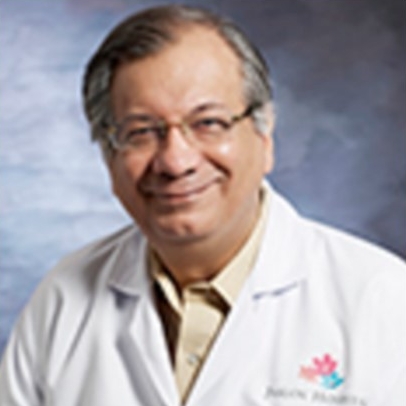
DR RAJU KHUBCHANDANI
Pediatrician
- Fees: INR 1,150
-
Tuesday 10:00 AM - 12:00 PM
(See all timing)Tuesday 10:00 AM - 12:00 PM,
Friday 10:00 AM - 12:00 PM
Introduction
Dr. Raju Khubchandani is one of the best Pediatricians in Mumbai and is the Director of Pediatrics and in charge of the Pediatric Rheumatology Clinic at Mumbai’s Jaslok Hospital and Research Centre. Dr Khubchandani’s major area of interest and specialization for the last 15 years has been pediatric rheumatology and he has cared for over two thousand children with musculoskeletal diseases. Dr. Raju Khubchandani maintains a keen interest in childhood asthma and respiratory diseases such as cystic fibrosis and such children are seen as a part of his general pediatric consultations.
Hospital Associations
Jaslok Hospital And Research Centre
Services/Interest
- Pediatric Rheumatology
Experience
• MD Pediatrics (Bombay University) 1981 • Visiting Professor La Rabida Childrens Hospital Chicago • Visiting Fellow Hospital for Sick Children Great Ormond Street London • International Consensus Group for diagnostic criteria for vasculitis (Ankara Turkey 2008) and Macrophage Activation Syndrome (Genoa 2013) • 65 indexed research papers and publications (see list) • Co Author Pediatrics: Priorities in Office Practice- (co-authored with Dr YK Amdekar), Childhood Asthma: A Modern Approach to Diagnosis and Treatment and Dr RK Anands Guide to Child Care (2nd edition-in preparation) • National Coordinator PRINTO (Pediatric Rheumatology International Trials Organization) • Convenor Kawasaki Disease Registry and Cystic Fibrosis Registry Mumbai IAP • Recognized guide for DNB Pediatrics • Past President Indian Academy of Pediatrics Respiratory Chapter and Rheumatology Chapter
Awards and Recognitions
1. Several orations and awards at national and state level 2. Invited speaker and teacher at international, national and state conferences and seminars. 3. Has convened and pioneered several innovative teaching formats in print, as seminars and on the web. 4. Medical writing for lay persons. 5. Serves as advisor and managing committee member to a new children’s hospital project in Mumbai and some other social initiatives.
I Speak
English, Hindi
Feedback For Dr Raju Khubchandani
Write FeedbackJaslok Hospital And Research Centre Timing
Tuesday
10:00 AM - 12:00 PM
Friday
10:00 AM - 12:00 PM
Who is a pediatrician?
A pediatrician is a medical physician who specializes in the care of children. They have undergone special education in the health and illnesses of babies, teens, and young adults, and the majority of pediatricians are certified after passing a comprehensive exam.
Pediatrician's job is to provide preventive health care for kids in good health and medical care for kids who are acutely or chronically ill. Pediatricians also provide parents with support and advice with issues such as growth and development, nutrition, safety and prevention, and emotional wellness to foster a lifetime of good health.
How often should the parents take their child to a pediatrician?
Your child should not only see the pediatrician for an illness as it is also important to schedule child-care exams regularly, beginning in infancy. These routine examinations provide the best opportunity for the physician to watch the progress of your child’s physical and mental growth and development; to detect problems through screening tests; to counsel and teach parents; to provide immunizations, and to get to know one another. So, these visits are strongly suggested as part of preventive pediatric care.
What is the age limit for pediatrics?
Pediatricians are the physicians who are specially trained to care for newborns to 21-year-olds, and some can keep their patients through college. Research indicates that there is not one correct age for kids to transition to the adult family doctor as it depends on the needs and desires of the patient.
Diseases treated by the pediatrician?
- A sore Throat
- Ear Pain
- Urinary Tract Infection
- Skin Infection
- Bronchitis
- Bronchiolitis
- Common Cold
- Bacterial Sinusitis
- A cough
Do pediatricians deliver babies?
Pediatricians do not deliver babies. But in the hospitals or birth centers, children's doctors are always notified about the delivery of a newborn baby. So, pediatricians or your baby's doctor are always standing by to take care of the baby.
What happens in your baby's first pediatrician's appointment?
A nurse will often handle the first part of the appointment by taking the baby to a scale to weigh and measure him. The nurse may also extend his limbs to measure height and width, and will also use a tape measure to determine the circumference of the head. There are a few main things that the physician will accomplish during the baby's initial visit. He will examine the baby, educate parents, and will ask and answer questions. As every pediatrician's approach differs, some pediatricians will examine and provide information at the same time. The doctor will look at the baby's eyes, nose, ears, skin, and limbs, and also test that she is responsive and has proper reflective actions. The physician will also look for signs of jaundice or hernias and will examine the umbilical cord for signs of infection and proper healing.