 X
X
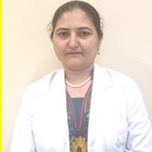
DR SWATI GUPTA
Pediatrician
- Fees: INR 500
-
Thursday 9:00 AM - 5:00 PM
(See all timing)Monday 9:00 AM - 5:00 PM,
Tuesday 9:00 AM - 5:00 PM,
Wednesday 9:00 AM - 5:00 PM,
Thursday 9:00 AM - 5:00 PM,
Friday 9:00 AM - 5:00 PM,
Saturday 9:00 AM - 5:00 PM
Introduction
Dr. Swati Gupta is one of the best Pediatrician in Mohali, Punjab with an experience of 10 years on this field. Dr. Swati Gupta is currently attached to Fortis Hospital at Mohali, Punjab. Dr Swati Gupta is a humble, skilled and hard working Pediatrician dedicated to her patients. Dr. Swati Gupta is a Gold Medalist in MD Pediatrics. She conducted successful peritoneal dialysis in newborn and also saved one child with severe penicillin induced anaphylaxis. Dr. Swati Gupta has three original independent research and paper presentations to her credit. Dr. Swati Gupta has worked for many community projects like Pulse Polio Immunization, School Health Programme, IMNCI, Flood Relief Camps, Cholera & Malaria Epidemic Relief Camps. Dr. Swati Gupta has also gained expertise in management of pediatric cardiac surgical patients in intensive care. She played a major role as a part of the team, in fruitful survival of the lowest weight baby in India who weighed 450 gm. Dr. Swati Gupta has excellent skills in various interventions like intubation, exchange transfusion, resuscitation, difficult venous access, chest tube insertion as well as in clinical assessment, counseling and management of both pediatric as well as newborn patients.
Hospital Associations
Fortis Hospital Mohali, Punjab
Services/Interest
- Parents’ Counseling
- Behavioral Counseling
- Intubation
- Exchange Transfusion
- Resuscitation
- Difficult Venous Access
- Chest Tube Insertion
- Clinical Assessment
Experience
Mid Career (7 years of service) of which 1 year in Cardiac Intensive Care, Attending Consultant at Fortis Hospital Mohali since June 2013, Clinical Associate at Fortis Hospital Mohali, Junior Consultant at Chaitanya hospital, Sec-44, Chandigarh.
Professional Memberships
Life Member of IAP, Life member of IAP-ID chapter
Education
MD, MBBS
I Speak
English, Hindi, Punjabi
Feedback For Dr Swati Gupta
Write FeedbackFortis Hospital Mohali Timing
Monday - Friday
9:00 AM - 5:00 PM
Saturday
9:00 AM - 5:00 PM
Who is a pediatrician?
A pediatrician is a medical physician who specializes in the care of children. They have undergone special education in the health and illnesses of babies, teens, and young adults, and the majority of pediatricians are certified after passing a comprehensive exam.
Pediatrician's job is to provide preventive health care for kids in good health and medical care for kids who are acutely or chronically ill. Pediatricians also provide parents with support and advice with issues such as growth and development, nutrition, safety and prevention, and emotional wellness to foster a lifetime of good health.
How often should the parents take their child to a pediatrician?
Your child should not only see the pediatrician for an illness as it is also important to schedule child-care exams regularly, beginning in infancy. These routine examinations provide the best opportunity for the physician to watch the progress of your child’s physical and mental growth and development; to detect problems through screening tests; to counsel and teach parents; to provide immunizations, and to get to know one another. So, these visits are strongly suggested as part of preventive pediatric care.
What is the age limit for pediatrics?
Pediatricians are the physicians who are specially trained to care for newborns to 21-year-olds, and some can keep their patients through college. Research indicates that there is not one correct age for kids to transition to the adult family doctor as it depends on the needs and desires of the patient.
Diseases treated by the pediatrician?
- A sore Throat
- Ear Pain
- Urinary Tract Infection
- Skin Infection
- Bronchitis
- Bronchiolitis
- Common Cold
- Bacterial Sinusitis
- A cough
Do pediatricians deliver babies?
Pediatricians do not deliver babies. But in the hospitals or birth centers, children's doctors are always notified about the delivery of a newborn baby. So, pediatricians or your baby's doctor are always standing by to take care of the baby.
What happens in your baby's first pediatrician's appointment?
A nurse will often handle the first part of the appointment by taking the baby to a scale to weigh and measure him. The nurse may also extend his limbs to measure height and width, and will also use a tape measure to determine the circumference of the head. There are a few main things that the physician will accomplish during the baby's initial visit. He will examine the baby, educate parents, and will ask and answer questions. As every pediatrician's approach differs, some pediatricians will examine and provide information at the same time. The doctor will look at the baby's eyes, nose, ears, skin, and limbs, and also test that she is responsive and has proper reflective actions. The physician will also look for signs of jaundice or hernias and will examine the umbilical cord for signs of infection and proper healing.