What is Aortic Valve Repair Surgery?
July 15, 2022 Heart Diseases 569 ViewsWhat is the meaning of Aortic Valve Repair Surgery?
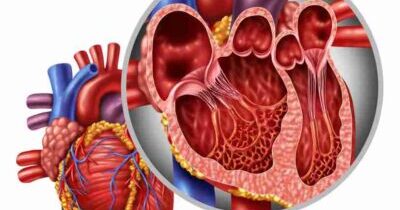
Aortic valve repair surgery is a procedure done to repair a damaged or faulty aortic valve is known as aortic valve repair surgery. The aortic valve is one of the four valves present in the heart, which is present between the left ventricle (lower left chamber of the heart) and the aorta (the largest artery in the body). A damaged or diseased aortic valve may interfere with the flow of blood and force the heart to work harder to pump blood to the rest of the body. An aortic valve repair or replacement may be needed to improve the blood flow, reduce the symptoms of aortic valve disease, and prolong one’s life. The surgeon recommends an aortic valve repair rather than aortic valve replacement whenever possible, as aortic valve repair lowers the infection risk, saves the heart valve, and improves the heart function.
In this article, we will be discussing in detail about aortic valve repair surgery.
- What are the different types of Aortic Valve Repairs?
- What is the purpose of Aortic Valve Repair Surgery?
- What are the symptoms that indicate the need for an Aortic Valve Repair Surgery?
- What is the diagnostic procedure before an Aortic Valve Repair Surgery?
- How to prepare for Aortic Valve Repair Surgery?
- What is the procedure for Aortic Valve Repair Surgery?
- How to care after Aortic Valve Repair Surgery?
- What are the risks of Aortic Valve Repair Surgery?
- What is the cost of Aortic Valve Repair Surgery in India?
What are the different types of Aortic Valve Repairs?
Aortic valve repair may be of the following different types:
Bicuspid aortic valve repair:
- The aortic valve leaflets (flaps that open and close during each heartbeat) are reshaped, allowing the valve to open and close more completely.
- This type of treatment may be performed for leaking aortic valves.
Enlarged aorta repair:
- Aneurysm (enlargement) of the ascending aorta (the initial portion of the aorta) may need repair. ( Know more about- What is Aortic Aneurysm Repair Surgery ? )
Repair of the aortic valve holes or tears:
- If aortic valve leaflets have holes or tears, these holes can be patched using tissue patches.
What is the purpose of Aortic Valve Repair Surgery?
An aortic valve repair surgery may be performed in the following cases:
Aortic valve stenosis:
- In this condition the aortic valve becomes narrowed or obstructed.
- This makes pumping of blood by the heart into the aorta difficult.
- This condition may be caused by a congenital (present at birth) heart disorder, due to inflammatory changes that may occur due to rheumatic heart disease (a condition in which there is permanent damage to the heart valves), or thickening of the valve’s closure flaps.
Aortic valve regurgitation:
- In this condition the blood flows backward through the aortic valve into the left ventricle every time the ventricle relaxes, instead of blood flowing in a single direction from the ventricle to the aorta.
- This backflow occurs due to a leaky or dysfunctional valve
- A leaky valve may occur as a result of a congenital (present at birth) defect, due to a bacterial infection, or due to the deterioration of the valve.
Other congenital heart diseases:
- A congenital heart disease may cause aortic valve stenosis or regurgitation, and other disorders that may prevent the aortic valve from functioning properly.
- Some of the examples of congenital heart diseases are not having enough tissue flaps, wrong size or shape of the aortic valve, and atresia (absence of an opening to allow normal blood flow). ( Know more about- What is Pediatric Cardiac Surgery ? )
What are the symptoms that indicate the need for an Aortic Valve Repair Surgery?
A diseased or faulty aortic valve may be asymptomatic or show the following symptoms:
- Energy loss
- Fatigue
- Weakness
- Swelling of the ankles
- Palpitations (extra or skipped heartbeats)
- Chest pain ( Know more about- Home remedies for Chest Pain )
- Shortness of breath
- Dizziness ( Know more about- What is Dizziness ? )
- Loss of consciousness
What is the diagnostic procedure before an Aortic Valve Repair Surgery?
The following diagnostic tests are performed before an aortic valve repair surgery:
- Physical examination: The doctor checks for a heart murmur (a swishing sound heard due to abnormal blood flow across the heart valve) using a stethoscope. The presence of a murmur may indicate a possible heart condition.
- Echocardiogram: Sound waves are used to obtain a clear image of the heart and its valves. ( Know more about- What is echocardiography? )
- Transesophageal echocardiogram: A small wand-like device, called a transducer, is attached to the end of a tube and inserted through the mouth into the stomach. This enables the doctor to have a closer look at the valves of the heart.
- Electrocardiogram: This test enables the doctor to measure the electrical activity of the heart.
- Chest x-ray: A chest x-ray helps to identify an enlarged heart, which could indicate the presence of a heart valve disease.
- Cardiac MRI: This test helps in obtaining a detailed image of the heart.
- Stress tests or exercise tests: These tests help in monitoring the heart’s response to physical exertion.
- Cardiac catheterization: A catheter (tube) is inserted through a blood vessel in the arm or groin region, and then guided to a heart artery. A dye is now injected through the catheter to make the heart arteries visible on an x-ray. This helps the doctor in checking how well the heart functions and measuring the pressure inside the heart chambers.
How to prepare for Aortic Valve Repair Surgery?
The following preparation may be done before an aortic valve repair surgery:
- Inform the doctor about any medications, herbs, vitamins, or supplements that you are taking.
- Inform the doctor if you have any medical disorders.
- The doctor will ask you to stop blood thinners like aspirin or warfarin a few days before the procedure.
- The patient should stop smoking at least two weeks before the surgery.
- The patient is instructed to not eat or drink anything after midnight, the day before the surgery.
- The doctor recommends a special soap to be used the night before the surgery to kill germs.
What is the procedure for Aortic Valve Repair Surgery?
An aortic valve repair surgery is usually performed under general anesthesia (the patient is made unconscious before the procedure). The procedure can be performed in the following different ways:
Traditional open-heart surgery:
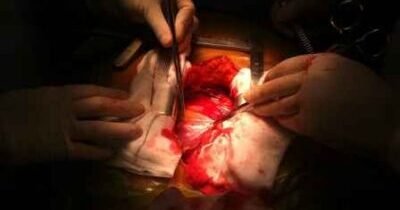
- A 6- to 8-inch-long incision or cut is made in the chest area.
- The incision splits open the breastbone.
- The function of the heart is stopped, and a heart-lung bypass machine is attached to the patient to take over the function of the heart.
- The aortic valve is now repaired by the surgeon by reshaping the aortic valve flaps, tissue patches, and other methods depending on the type of defect present.
- Once the aortic valve repair is complete, the heart function is restarted and the incision is closed using sutures (stitches).
- This type of surgery takes approximately two to four hours to complete.( Know more about- What is Heart Bypass Surgery ? )
Minimally invasive aortic valve surgery:
- Small incisions 2-to-4-inch incisions are made to create a J-shape.
- Aortic valve repair is carried out by inserting a tube with a camera on one end and other tiny surgical instruments through the incisions made.
- A minimally-invasive surgery leads to fewer complications, is less painful, and has a quicker recovery than open-heart surgery.
Transcatheter Aortic Valve Repair (TAVR) procedure:
- This procedure involves the insertion of a thin tube (catheter) through a small opening in the leg or groin region.
- This catheter tube is guided to the heart region using x-rays.
- Aortic valve repair is now carried out using this tube. ( Know more about- What is TAVI? )
How to care after Aortic Valve Repair Surgery?
- A patient undergoing minimally invasive surgery takes only a couple of days to recover completely. However, recovery after open-heart surgery may take substantial time.
- It is normal to have some pain, swelling, and redness after the surgery.
- The patient may have appetite loss, sleep disturbances, and weakness after the procedure. These symptoms usually improve with time.
- The breastbone may take about six to eight weeks to heal completely.
- The patient should avoid heavy lifting and strenuous activities for a few weeks after the surgery.
- It may take approximately three months after the surgery for the patient to resume his/her normal physical activities.
- Patients having desk jobs can normally go back to work after six to eight weeks.
- Cardiac rehab and an exercise regime are recommended to the patient after the surgery.
What are the risks of Aortic Valve Repair Surgery?
The complications associated with an aortic valve repair surgery include:
- Bleeding
- Infection
- Blood clot formation
- Irregular heart rhythm
- Stroke (when the blood supply to the brain stops)
- Kidney diseases
- Requirement of aortic valve replacement
What is the cost of Aortic Valve Repair Surgery in India?
The total cost of aortic valve repair surgery in India can range from around INR 3,25,000 to INR 5,25,000. However, there are many large hospitals and experienced doctors in India who perform aortic valve repair surgery. But the cost of aortic valve repair surgery may vary across different hospitals.
If you are coming from abroad, apart from the cost of aortic valve repair surgery, there will be a cost of staying in a hotel, cost of living, and cost of local travel. Apart from this, after the procedure, the patient stays in the hospital for 8 days and in the hotel for 10 days for recovery. So, the total cost of aortic valve repair surgery will be around INR 4,90,000 to INR 6,00,000.

We hope that we could answer your questions regarding aortic valve repair surgery through this article.
If you need more information about aortic valve repair surgery, you can contact a Cardiovascular and Thoracic Surgeon.
We only aim to give you information through this article and do not recommend medication or treatment in any way. Only a qualified doctor can give you good advice and a treatment plan.