 X
X
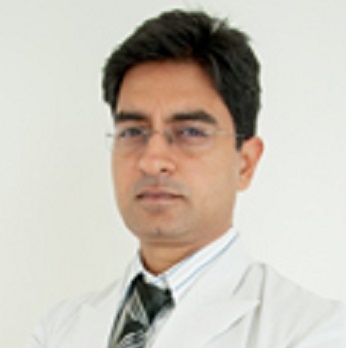
DR NITIN SOOD
Hematologist
- Fees: INR 1,200
-
Friday 11:00 AM - 1:30 PM
(See all timing)Monday 11:00 AM - 1:30 PM,
Tuesday 11:00 AM - 1:30 PM,
Wednesday 11:00 AM - 1:30 PM,
Thursday 11:00 AM - 1:30 PM,
Friday 11:00 AM - 1:30 PM,
Saturday 11:00 AM - 1:30 PM 10% Off on OPD + Free Registration
Introduction
Dr Nitin Sood is one of the best doctor in Gurgaon. An experienced hematologist, Dr Sood is a specialist of blood and blood related disorders including leukemia, myelodysplastic syndromes, lymphomas, multiple myeloma, amyloidosis, bone marrow/ stem cell transplant, bleeding and clotting disorders, thalassaemias and sickle cell anemia, aplastic anaemia, complicated anemias amongst others. Dr Sood completed his MBBS in 1998 from Mysore University. Post his internship from Safdarjang Hospital he joined the MD Medicine programme at Delhi University. Dr Nitin Sood completed both MD General Medicine and DNB Internal Medicine in year 2002. After doing a year of senior residency in General Medicine from Safdarjang Hospital he moved to UK to train in Clinical Hematology. Dr Nitin Sood has been a part of various medical organizations in the UK and has been the recipient of many awards in the field of hematology and oncology.
Hospital Associations
Medanta - The Medicity, Gurugram
Services/Interest
- Hemato-oncology
- Stem Cell Transplantation
- Haemophilia.
Experience
Dr Nitin Sood is one of the best Hemotologist in Gurgaon and has an experience of 18 Years in the field.
Education
CCT (Haemato Oncology) , F.R.C. (Pathology) , MRCPath (Associate Haematology) ,MRCP (UK) , D.N.B. (General Medicine) ,M.D. (General Medicine) , M.B.B.S.
I Speak
English, Hindi.
Feedback For Dr Nitin Sood
Write FeedbackMedanta The Medicity Gurugram Timing
Monday - Friday
11:00 AM - 1:30 PM
Saturday
11:00 AM - 1:30 PM
Who is hematologist?
Hematology is a branch of medicine that concerns itself with the study of blood, the blood-forming tissues, and its diseases. The word "heme" comes from the Greek for blood and the physicians working in this field are called hematologists. Initially, hematologists complete a four-year medical degree which is followed by 3 or 4 years in an internship or residency program. Thereafter, they spend 2 or 3 more years of learning how to diagnose and treat blood disorders.
What are the symptoms of blood disorders?
Common symptoms of white blood cell disorders are:
- chronic infections.
- fatigue.
- unexplained weight loss.
- malaise, or a general feeling of being unwell.
What kind of tests does a hematologist do?
They perform tests to collect data on:
- White blood cell count (WBC)
- Red blood cell count (RBC)
- Platelet count
- Hematocrit red blood cell volume (HCT)
- Hemoglobin concentration (HB).
- Differential white blood count
- Red blood cell indices (measurements)
Why would you be referred to a hematologist?
The basic reasons for referral to the hematologist are the finding of abnormalities on the blood count or symptoms experienced by the patient that the referring doctor believes may be caused by a disease of the blood, bone marrow or sometimes the lymph nodes.
What are the diseases treated by hematologist?
- Iron deficiency anemia and other types of anemia or trauma-related anemia.
- Polycythemia or excess production of red blood cells and cancers such as Leukemia and the myelodysplastic syndromes.
- Myelofibrosis and platelet and bleeding disorders such as hemophilia.
- Hemoglobinopathies such as thalassemia and sickle cell disease.
- Multiple myeloma and Malignant Lymphomas.
- Blood transfusion and Bone marrow stem cell transplantation.