 X
X
 100%
100%
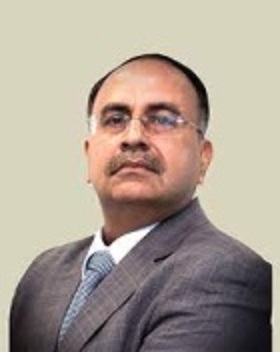
DR ABHAY INDERJIT AHLUWAL
Endocrinologist
- Fees: INR 1,250
-
Friday 10:00 AM - 1:30 PM
(See all timing)Monday 10:00 AM - 1:30 PM,
Tuesday 10:00 AM - 1:30 PM,
Wednesday 10:00 AM - 1:30 PM,
Thursday 10:00 AM - 1:30 PM,
Friday 10:00 AM - 1:30 PM,
Saturday 10:00 AM - 1:30 PM
Introduction
Dr. Abhay Inderjit Ahluwal is the best Endocrinologist in Gurugram and is currently associated with Columbia Asia Hospital Palam Vihar.
Hospital Associations
Columbia Asia Hospital Palam Vihar
Services/Interest
- Diabetes
- Pituitary Disorders Treatment
- Thyroid Disorders Treatment
- Adrenal Disorders Treatment
- Calcium Disorders Treatment
Experience
Dr. Abhay Inderjit Ahluwal is one of the best Endocrinologist in Gurugram and has an experience of 36 years.
Professional Memberships
Member, Associations of Physicians of India. Member, Indian Society of Bone and Mineral Research. Member, Bombay Medical congress. Member, Marine Medical Society of India
Awards and Recognitions
Gold Medal for standing first in MD Medicine AFMC - 1993. DP Basu Young Scientist Award API - 2004. DSL Award for best paper 2004 at Endocrine Society Conference - 2004. Best Researcher Armed forces 2012 - 2012. GOC Vice Chief Medal for Distinguished Service - 2009. GOC Vice Chief Medal for distinguished service - 2014. Awarded, KK Gupta Gold medal for Standing First in MD Course AFMC, Pune. Awarded, Pune University Silver Medal for Standing Overall Second in Pune University in MD. Awarded, DP Basu Award Young Scientist Award of the Association of Physicians of India at APICON 2004 for Paper on Endothelial Dysfunction in Diabetes. Awarded, DSL Award for the Best Paper by Endocrine Society of India at the ESICON 2004 (Endocrine Society Conference).
Education
Dr. Abhay Inderjit Ahluwal pursued MBBS from Armed Forces Medical College (AFMC), Pune in 1986. Dr. Abhay Inderjit Ahluwal completed MD(General Medicine) from Armed Forces Medical College (AFMC), Pune in 1993. Dr. Abhay Inderjit Ahluwal has done DNB(General Medicine) from National Board Of Examination in 1994. Dr. Abhay Inderjit Ahluwal has done DM(Endocrinology) from All India Institute of Medical Sciences, New Delhi in 1999.
I Speak
English, Hindi
Feedback For Dr Abhay Inderjit Ahluwal
Write FeedbackSumit Sinha
(12 Sep 2022)Saroj Agarwal
(29 Jul 2022)Manipal Hospital Gurgaon Earlier Columbia Asia Hospital Gurgaon Timing
Monday - Friday
10:00 AM - 1:30 PM
Saturday
10:00 AM - 1:30 PM
Who are endocrinologists?
Endocrinologists are physicians who specialize in glands and the hormones made by them. Endocrinologists deal with metabolism or all the biochemical activities that make your bodywork, which also includes how your body changes food into energy and how it grows. They may diagnose and treat hormone imbalances in the endocrine organs, which include the thyroid, pituitary, adrenals, ovaries, testes, and pancreas. They may work with adults or kids, but when they train in treating kids and teens, they're called pediatric endocrinologists.
What disease does an endocrinologist treat?
Disease of endocrine systems treated by an endocrinologist are:
- Cushing's syndrome
- Endocrine disease
- Hypothyroidism
- Addison's disease
- Growth hormone deficiency
- Multiple endocrine neoplasia
- Pheochromocytoma
- Primary hyperparathyroidism
- Thyrotoxicosis
- Hypercalcemia
- Primary aldosteronism
- Neuroendocrine tumor
- Hirsutism
- Multiple endocrine neoplasia type-1
- Autoimmune polyendocrine syndrome
- Parathyroid disease
- Myopathy
- Adrenal crisis
- Bone metabolism, like osteoporosis
- Cholesterol
When to See an Endocrinologist for Diabetes?
Your regular doctor can treat diabetes, but they might want to see an endocrinologist when:
You feel tingling in your hands and feet from nerve damage.
You have frequent episodes of low or high blood sugar levels and weight changes and vision problems and kidney problems.
Frequent hospital admissions because of diabetes.
You need to learn how to manage diabetes.
Your diabetes has gotten troublesome to manage, or your treatment isn't working.
You have complications from diabetes.
What's the difference between Diabetologists and endocrinologists?
Diabetologists treat only diabetic patients while endocrinologists give treatment for the patients having endocrinology problems which also include complications from diabetes. To become Endocrinologists you need to have a D.M degree in Endocrinology, but a Diabetologist needs an M.D degree in General Medicine.
Endocrinologists go to college for 4 years, then medical school for 4 more years. Afterward, endocrinologists work in hospitals and clinics as residents for 3 years to get experience treating people. endocrinologists will spend another 2 or 3 years training specifically in endocrinology.
What are the tests performed by an endocrinologist?
- Diabetes Tests
Patients with diabetes have above-normal levels of blood sugar and trouble converting food to energy. In addition to testing blood sugar, an endocrinologist looks for other symptoms of diabetes, such as unexplained weight loss, increased thirst, fatigue, blurred vision and sores that do not heal.
- Thyroid Tests
The thyroid gland sits at the front of your neck below your voice box and the hormones the gland releases affect weight, muscle strength, metabolism, cholesterol levels, brain development, breathing and functioning of the heart and nervous system. The TSH test is one of the tests that measure the thyroid-stimulating hormone in the blood.
- Growth Tests
An endocrinologist order tests to diagnose growth-hormone conditions and these blood tests look at levels of insulin-like growth factor and measure growth hormone during an oral glucose tolerance test to detect excessive hormones, which cause extreme height, increased head size, headaches, high blood pressure, cardiac dysfunction, and prediabetes.
- Reproduction Tests
These are the tests to check hormones released from sex organs.
- Bone Tests
People whose bodies release too much or too little calcium into the blood have a variety of symptoms and the most common of which are unusual vitamin D levels and bone loss. These tests check the level of calcium in the blood as well as measure calcium in the urine.
What to expect from your first endocrinologist's visit?
- A visit to the endocrinologist usually involves:
- A complete medical history
- A head-to-toe exam
- Blood and urine tests
- An explanation of your management plan
The appointment usually starts with a measurement of the patient's height, weight, and vital signs, including blood pressure and pulse. They also check the blood sugar using a finger stick.
The doctor also checks the teeth and skin for developing sores and skin infections. The patients should be prepared for questions about their current symptoms, family history, and eating habits and it’s important to bring a record of the blood sugar readings. The doctor will also want to know what the patient is currently doing for his diabetes, including any medications he is taking, how often he checks his blood sugar, and if he uses insulin or not.