What are the Septal Defects of the Heart?

BDS (Bachelor of Dental Surgery), 10 years of experience
What is the meaning of Septal Defects of Heart?
A hole in the wall or septum between the two upper chambers of the heart (known as atria) or the two lower chambers of the heart (known as ventricles) is known as a septal defect of the heart. The condition is usually congenital (present at birth)
The right atria and right ventricle of the heart gets oxygen-poor blood from the body and pump it to the lungs in order to pick up oxygen. Whereas, the left atria and left ventricle get oxygen-rich blood from the lungs and pump it to the rest of the body.
Small septal defects are sometimes found by chance and usually cause no problem. It may even close on its own without any treatment.
A large and long-lasting septal defect can damage the heart and lungs and may require device closure or surgery.
In this article, we will be discussing the septal defects of the heart.
- What are the different types of Septal Defects of Heart?
- What are the causes of the Septal Defects of Heart?
- What are the risk factors for Septal Defects of Heart?
- What are the symptoms of Septal Defects of Heart?
- How to diagnose Septal Defects of Heart?
- What is the treatment for Septal Defects of Heart?
- What are the complications of Septal Defects of Heart?
- How to prevent Septal Defects of Heart?
What are the different types of Septal Defects of Heart?
The different types of Septal heart defects are:
Atrial septal defect:
- It is a condition in which there is a hole in the septum between the two upper chambers of the heart.
- It can cause extra blood to get overfilled in the lungs, and lead to overworking of the right side of the heart.
- If left untreated, the right side of the heart may enlarge and weaken.
- It can also lead to increased blood pressure in the lungs, causing a condition known as pulmonary hypertension.
The different types of atrial septal defects include:
- Secundum: It is the most common type of atrial septal defect that occurs in the middle of the wall between the atria.
- Primum: This type of defect is seen in the lower part of the atrial septum.
- Sinus venosus: This is a rare defect that normally occurs in the upper part of the atrial septum.
- Coronary sinus: This is a rare type of defect in which a part of the wall between the coronary sinus (a part of the vein system of the heart) and the left atrium of the heart is missing.
Ventricular septal defect:
- It is a condition in which there is a hole in the septum separating the lower chambers of the heart.
- This allows the blood to pass from the left side to the right side of the heart.
- The oxygen-rich blood, therefore, gets pumped back into the lungs instead of going out to the body.
- This causes the heart to work harder.
The different types of ventricular septal defects include:
- Membranous: This is the most common type of ventricular septal defect that occurs in the upper section of the septum between the ventricles.
- Muscular: There is a presence of more than one hole in this type of defect.
- Inlet: A hole is present just below the tricuspid valve (present in the right ventricle) and the mitral valve (present in the left ventricle). Therefore, when blood enters the ventricles, it has to pass a ventricular septal defect connecting the two chambers.
- Conoventricular or outlet: A hole is created just before the pulmonary valve in the right ventricle and just before the aortic valve in the left ventricle, connecting the two ventricular chambers.
( Know more about- What are the treatments of Cardiac Arrest ? )
What are the causes of the Septal Defects of Heart?
- Septal defects of the heart are normally present at birth (congenital).
- There is no clear cause for the development of septal defects in the heart.
- Genetics and other environmental factors may play a role in the development of septal defects of the heart.
- The septal defects of the heart can occur alone or in combination with other congenital heart defects.
( Know more about- What is Pediatric Cardiac Surgery ? )
What are the risk factors for Septal Defects of Heart?
Certain factors may increase the risk of developing septal defects of the heart and may include:
- Family history of septal defects
- Genetic disorders like Down Syndrome
- Rubella infection or German measles (a contagious viral infection characterized by a distinctive red rash) during the first few months of pregnancy
- Drug abuse during pregnancy
- Use of certain medications during pregnancy
- Excessive consumption of tobacco or alcohol during pregnancy
- Exposure to certain chemicals during pregnancy
- Diabetes during pregnancy
- Lupus (an autoimmune disease affecting the skin, joints, blood cells, kidneys, heart, brain, and lungs) during pregnancy
( Know more about- What is Kallmann Syndrome ? )
What are the symptoms of Septal Defects of Heart?
The symptoms associated with septal defects of the heart are:
- Abnormal heartbeats
- Rapid breathing
- Poor growth and development
- Trouble in eating
- Fatigue
- Shortness of breath
- Stroke (the blood supply to the brain is stopped)
- Inability to exercise
- Heart palpitations (skipped heartbeat or an extra heartbeat)
( Know more about- Why do people get fatigued? Home remedies for fatigue )
How to diagnose Septal Defects of Heart?
- Physical examination: Septal defects can often lead to a heart murmur (sound of the blood flowing through the heart) that can be heard by the doctor using a stethoscope. The doctor will also ask about your symptoms, medical history, and family history.
- Echocardiogram: Sound waves are used to obtain the image of the heart in motion. It helps the doctor in checking the heart valves and chambers.
- Electrocardiogram (ECG): This test helps in measuring the electrical activity of the heart and diagnosing any heart defects.
( Know more about- What is Echocardiography? )
- Chest x-ray: It helps the doctor to view the heart and lungs, and see if the heart is enlarged or if the lungs have any extra fluid.
- CT scan and MRI scan: These are imaging tests done to obtain clear images of the heart.
- Pulse oximetry: A small clip on the fingertip helps in measuring the amount of oxygen in the blood.
- Cardiac catheterization: A thin, flexible tube, known as a catheter, is inserted into a blood vessel in the arm or groin region and then guided to the heart. It helps the doctor in the diagnosis of congenital heart defects, test how well the heart is pumping blood, check the function of the heart valves, and measure the blood pressure in the lungs.
( Know more about- What is Cardiac Catheterisation ? )
What is the treatment for Septal Defects of Heart?
- If the hole in the heart is small and does not cause serious symptoms, it can be monitored over time and immediate treatment may not be required.
- Some septal defects, which are located in that part of the septum which is all muscular, close on their own as a child grows.
- If the hole does not close on its own within the first two years of a child’s life, or the hole is larger than 8 to 10 mm in size, surgery may be required.
- If large holes are not closed, there could be long-term complications due to damage to the lungs.
- The common treatment procedures for a septal defect are:
Transcatheter repair or transcatheter device closure:
- This form of treatment is generally recommended for an atrial septal defect.
- An incision is made in the groin region and a catheter is inserted by the surgeon.
- A small mesh patch is funneled through the catheter and up to the hole present in the heart.
- Over time, the heart tissue of the child grows over the patch.
( Know more about- What is Pacemaker Surgery ? )
Open heart surgery:
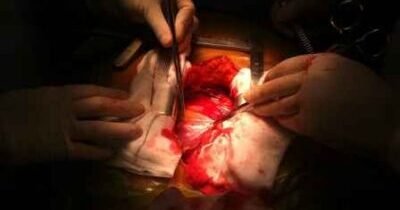
- A ventricular septal defect is usually treated by open surgery, though a minimally-invasive procedure may be performed in some cases.
- An atrial septal defect that cannot be treated using a transcatheter device may also require open surgery.
- The surgeon accesses the heart by opening the breastbone.
- A patch is applied to the septal defect.
- The heart’s own tissue will eventually grow over the patch.
( Know more about- What is Heart Bypass Surgery ? )
What are the complications of Septal Defects of Heart?
The complications of the septal defects of the heart include:
- Heart failure (the failure of the heart to pump sufficient blood to the rest of the body.
- Endocarditis (infection of the heart)
- Pulmonary hypertension (increased pressure of blood in the lungs)
- Arrhythmias (abnormal heart rhythms)
- Stroke (blood supply to the brain stops)
- Heart valve problems
- Eisenmenger syndrome (permanent lung damage due to pulmonary hypertension)
- Decreased life span
( Know more about- What are the Arrhythmias of the heart ? )
How to prevent Septal Defects of Heart?
The septal heart defects can be prevented by taking the following care during pregnancy:
- Get prenatal care when you start planning for a pregnancy
- Eat a healthy and well-balanced diet
- Exercise regularly
- Avoid alcohol, tobacco, and drugs
- Keep your blood sugar levels under control
- Monitor your health problems during pregnancy, and consider adjusting or stopping certain medications, as advised by your doctor, before you plan to get pregnant
- Get all your vaccinations before planning a pregnancy
- Talk to a genetic counselor if you have a family history of septal heart defects
( Know more about- What to avoid during pregnancy ? )
We hope we could answer all your questions about septal defects of the heart through this article.
If you want to get more information and treatment about septal defects of the heart, you can contact a good Cardiologist.
We only aim to give you information through the article. We do not recommend medication or treatment in any way. Only a doctor can give you the best advice and correct treatment plan.